
TEHRAN, Iran — Iran's top nuclear negotiator resigned Saturday in a move seen as a victory for the hard-line president that could push the country into an even more defiant position in its standoff with the West.
Ali Larijani was viewed as more moderate than President Mahmoud Ahmadinejad, and the two often clashed over how to negotiate with the world on nuclear issues.
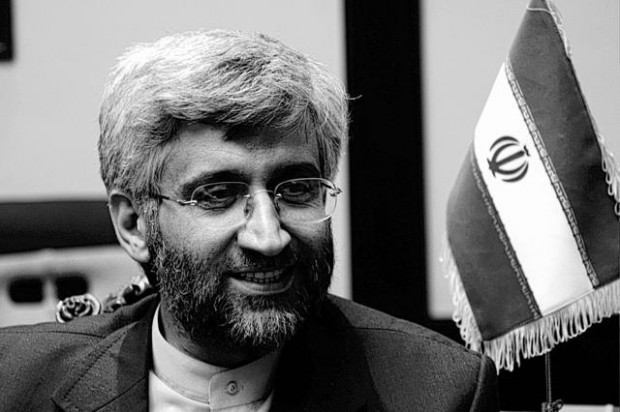
His resignation and replacement by the little known deputy foreign minister for European and American affairs, Saeed Jalili, puts the nuclear portfolio firmly in the president's hands just days before a key meeting with European negotiators.
It was not clear whether Larijani left his post under pressure, but his departure was interpreted by many here as giving Ahmadinejad a free hand in dictating his views to the less experienced Jalili.
Government spokesman Gholam Hussein Elham gave no specific reason for the resignation other than to say Larijani wanted to focus on "other political activities."
People are also reading…
The U.S. and some of its allies accuse Iran of secretly trying to develop nuclear weapons and have demanded it halt uranium enrichment, a key step in the production of atomic weapons.
Oil-rich Iran says its program is for peaceful purposes, including generating electricity.
Iranian political analyst Jahanbakhsh Izadi said the intense rivalry between the president and Larijani, who answered directly to Iran's supreme leader Ayatollah Ali Khamenei, was behind the resignation. "Larijani had become frustrated with Ahmadinejad's rhetoric," he said.
Larijani said he believed a political solution to the standoff was possible and worked closely with European Union foreign policy chief, Javier Solana.
His efforts were often hindered by Ahmadinejad's rhetoric, said Ismail Gerami Moghaddam, a reformist lawmaker.
The move also suggests that the nation's ultimate arbiter, Khamenei, has tilted toward Ahmadinejad and away from his former protege Larijani.