
Any day now, it will be over.
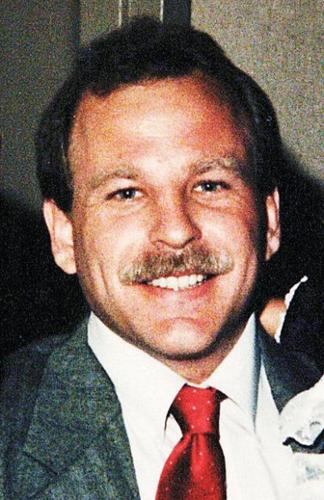
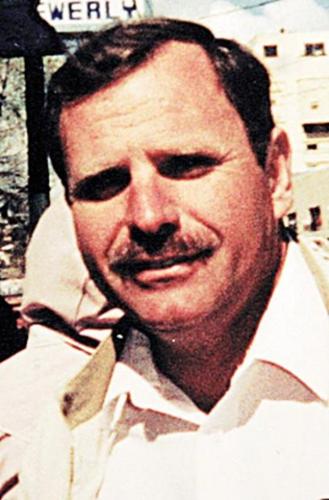
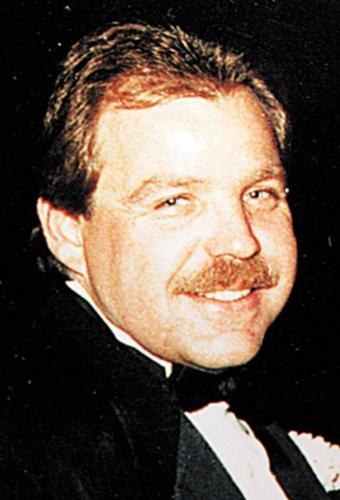
Michael Esposito, 48, will draw his last breath — and with him will go the last of a Tucson generation to all die of early onset Alzheimer's.
Passed down from his father's side of the family, this form of the disease is so rare that only about 100 families in the entire world have it.
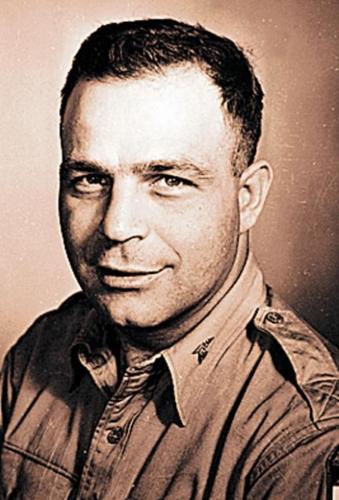
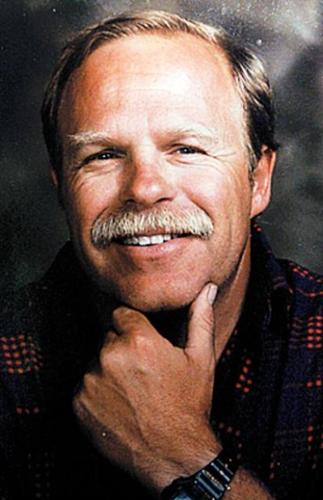
In 1975, it took Michael's father, Joseph Esposito. In 1983, the disease started hitting the next generation. Joseph's daughter, Barbara, died in 1991. Sons Joey and Bob died in 1995.
A third son, Richard, took his own life in late 1998 after being diagnosed both with cancer and Alzheimer's.
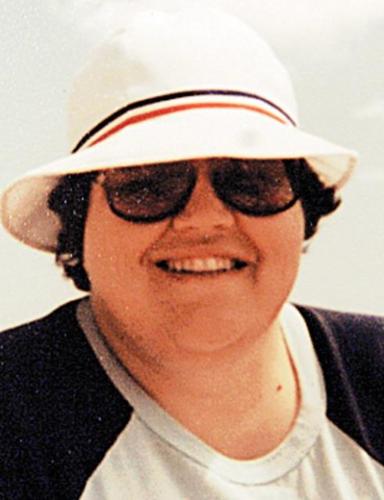
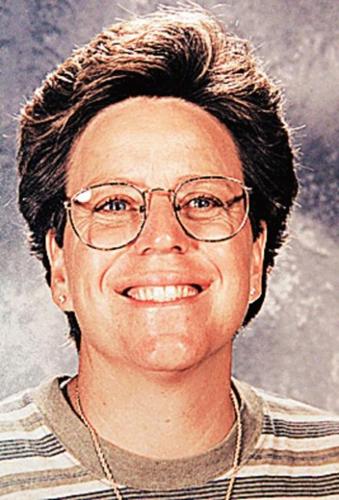
And in 2004, Michael's beloved kid sister, Jennifer, died of the disease, at age 43.
Now it has come for Michael.
People are also reading…
"He honestly thought he would not get it," says Michael's wife, Lydia. "They were all that way — so positive, so spiritual. I guess they thought at least one of them would be missed."
I first met Michael and Jennifer in the fall of 1996. He was working for a construction company and laying tile on the side.
Jennifer was a health and physical education teacher at Amphi Middle School.
Both were whirling dervishes of activity and optimism.
But just two years later, Michael would be diagnosed with the disease, Jennifer in 1999.
"He started forgetting what his tools were for," says Lydia, who would become the prime caregiver for both.
She was 38, Michael 28 when they married in 1985. She knew nothing about the disease — or the family history — until she became pregnant.
"I remember a chair went through the window," says Lydia, who was understandably upset.
They would have one child, a daughter, Nicole, now 20.
"Nicole is aware of everything. I don't keep anything from her," says Lydia.
Still, they don't talk about the big "what-if." Nicole is planning on attending college and having a career. If she wants children, she'll adopt, says Lydia.
After Michael's diagnosis, Lydia maintained a grueling schedule, helping care not only for Michael and Jennifer but also for her in-laws, who have since died.
For a time, she would get Nicole off to school, drive Michael over to his mother, Adeline Wedeking's
, house — where Jennifer was staying — fix breakfast, see to their grooming needs, then haul them around on various errands.
"We all went together because you could not leave them alone," says Lydia.
After Adeline died in late 2002, friends whisked Jennifer off to Seattle and then Colorado, where she died in January of 2004. "We all went to see her the week before she died," says Lydia.
By then, she and Michael had moved into Adeline's home — a home where the bars first went up on the windows after Barbara Esposito was diagnosed with the disease in the mid-'80s.
"Grandma left me the house," says Lydia, who had to take a mortgage out on the house after she put Michael in a nursing home seven months ago.
On Monday,
Michael entered hospice care. And now the house is up for sale.
It will be good to leave this house, says Lydia. Get a fresh start.
"I will go back to work. I have no idea what I will do, but it won't be caregiving."
When Michael dies, his brain, as was Jennifer's, will be donated for research.
"Even when he couldn't talk, he would smile and give me a hug," says neurologist Geoffrey Ahern,
who treated both Jennifer and Michael.
Meanwhile, Lydia now wears the same tiny crucifix earrings Jennifer once wore.
In her heart she wears a quiet faith. "God is the one who put me here," she softly says.