OOROO Auto is doing something you don't see often in a growing business: It’s slowing its growth, at least temporarily.
Six years ago, coming out of COVID, I wrote about this Oro Valley auto repair shop and what made it different. OOROO had two locations then and an ambitious expansion plan.
Today it has 10 — Phoenix, Mesa, Tempe and several Tucson locations, including the newest at Oracle and Magee, and out to Vail and Sierra Vista. By most measures, the plan worked.
So when I heard OOROO had paused that expansion, I wanted to know why. The answer says a lot about how this company thinks.
'Why?' A not-so-simple question
OOROO is the brainchild of founder and CEO Jeff Artzi, and he's built the company on one principle: culture matters. As Artzi puts it, "What a business like ours does is simple to explain — repairing cars. How it’s done is also pretty straightforward — with parts and expertise. The question that differentiates our business is harder to answer — why we do it."
People are also reading…
That "why" is where Artzi's passion shows. Take care of people, and build a team and culture around that. "It's about relationships, not transactions," he says. "It's about people, not parts."
Most people treat auto repair as a commodity. You ask a friend or neighbor who they use, you try the shop out, and if the repair is done right and you don't feel ripped off, you stick around. People leave when a shop breaks that trust — repairs that don't match what was promised, work that wasn't necessary, prices that don't line up with competitors.
That trust gap shows up in the numbers. Consumer Reports puts average customer retention in auto repair at 40-50% — meaning shops routinely lose half the customers they just spent time and money acquiring. OOROO's retention rate is greater than 73%, half again better than the industry. Artzi attributes that directly to their people.
It's a simple chain, in his view: start with culture, and you get an outstanding customer experience. Great experiences build loyalty. Loyalty drives referrals, repeat business and growth.

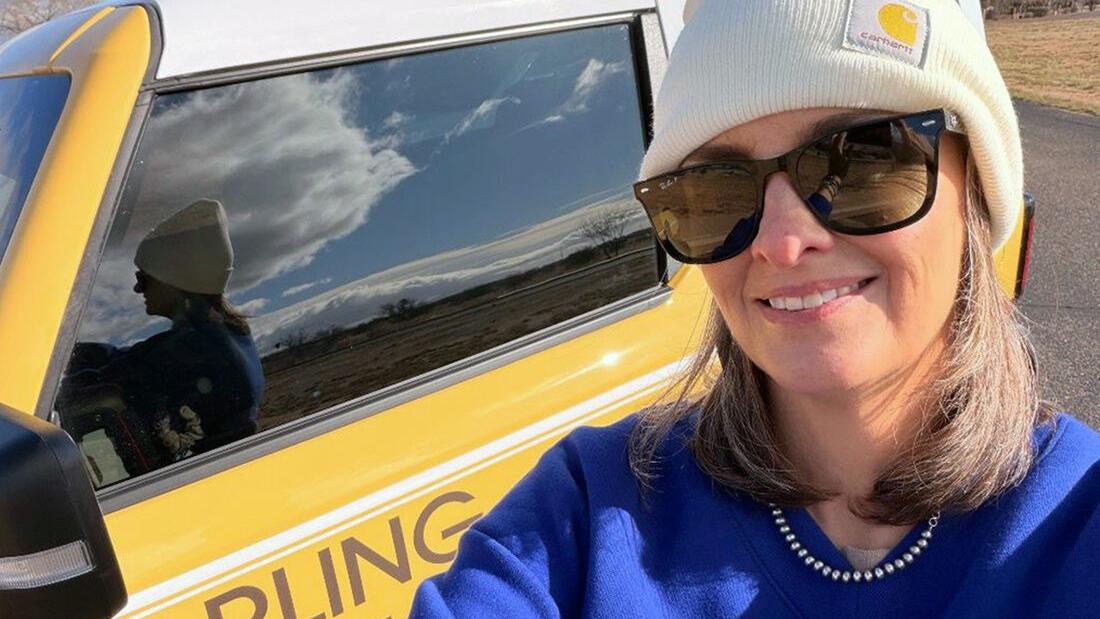
Jeff Artzi, CEO and founder of OOROO Auto, maintains the company's focus on its customers and employees rather than speedy expansion.
A purposeful pause
That growth is exactly why Artzi paused. He wants to be sure the values and culture OOROO has carried since its 2014 founding aren't just present today — it needs to be stronger today, at 10 locations, than it was at two.
So the company is working through each shop, asking the same foundational questions that have always set OOROO apart: What's your “why” for coming to work? How does the company make you feel? How does the company make the customer feel?
It's a deliberate slowdown from a company that, by its own metrics, has every reason to keep expanding quickly. That restraint is the story.
Focus on people
One practice that hasn't changed in six years is the morning huddle. Before opening, every employee gathers to go over the day — equipment issues, the day's workload, questions or problems with a job.
But the huddle is also where anyone can speak. If something's on a team member's mind, they can raise it freely, without recrimination — a standing chance to be heard, built into the workday itself.
Artzi is also implementing Skip Level Lunch. As the name implies, employees get to meet with their bosses’ boss. Everyone knows it’s happening, and like the huddle, conversations are wide open, without recrimination.
These are small things, but clear evidence of the culture Artzi talks about: not a slogan on a wall, but communication and listening promoted and practiced across every location.
Focus on community
OOROO extends itself past its physical locations. Mobile vans, stocked with parts and staffed by the same caliber of people as the shops, bring the service out to customers directly — corporate clients invite a van into their parking lot to service employees' cars on-site, and individuals can have the van come to them. It's a model that started out of necessity during COVID and stuck around because it works.
It captures something true about how Artzi thinks about growth: meet people where they are, rather than making them come to you. It's the same instinct behind the "good neighborhood shop" goal — OOROO isn't just opening locations; it's trying to fit into the communities around them.
What's Next
OOROO is the kind of business Tucson's economy is built on — locally owned and growing. Once the internal review is done, Artzi plans to resume expansion with locations it is already looking at, in communities where OOROO can settle in and "become a trusted neighborhood shop."
The plan hasn't really changed since 2020.
OOROO is still building with one good person and one good location at a time — and it’s making sure to inspect the foundation before adding the next floor.