Jason Salfi has a simple pitch with enormous implications: What if the CO2 polluting our planet could be turned into oil products that help power it?
As co-founder and CEO of Dimensional Energy, Salfi is building a company that goes after two problems most people treat as separate — the oil industry's grip on global energy and the carbon emissions driving climate change — with a single technology.
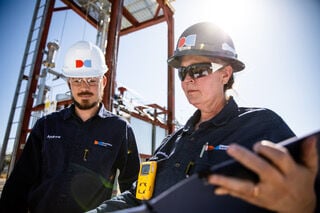
Dimensional Energy has developed technology that converts captured CO₂ into renewable oil for aviation fuel, diesel and other products.
The problem with oil
Since the oil crisis of the 1970s, the world has searched for alternatives to fossil fuels. The reasons are twofold. First, oil is finite, leaving countries and industries exposed to changes in supply and price. Second, burning oil releases CO2, the primary greenhouse gas emitted by human activity.
A living carbon cycle
Dimensional Energy's mission is direct: produce cleaner molecules to move the world. Rather than searching for an entirely new fuel source, Salfi's team went back to basics — to the molecule itself — and found a way to close the loop.
People are also reading…
Large plants, refineries and other industrial sources produce CO2. Dimensional Energy has developed and patented a process that combines captured CO2 with hydrogen to create synthesis gas, or syngas, which can then be converted into hydrocarbons and oil products. In effect, the company is seeking to create a carbon cycle that turns a waste product into a resource.
It sounds simple. It hasn't been. Dimensional Energy has spent the last decade turning the idea into a technology package it can deploy across the oil industry's value chain. The company holds patents on its process and says it has been generating revenue from the technology for the past two years.

arge plants, refineries and other industrial sources produce CO2. Dimensional Energy has developed and patented a process that combines captured CO2 with hydrogen to create synthesis gas, or syngas, which can then be converted into hydrocarbons and oil products.
From waste to oil to end product
The company's value chain starts where the CO2 is: large plants and refineries, currently its primary customers. Dimensional Energy takes captured CO2 or certain other carbon-based waste, converts it into syngas and produces renewable oil products from it.
From there, the oil reaches industries looking to move away from fossil fuels — including producers of sustainable aviation fuel, renewable diesel, lubricants, coolants and specialty waxes and chemicals used in cosmetics, packaging, adhesives and coatings.
Dimensional Energy works with its clients in several ways. It licenses its patented technologies separately or together for commercial projects that transform multiple types of carbon-based waste. It sells oil and renewable fuels directly to clients. It also consults with clients on implementation, including partnering on projects in which its engineers work alongside client teams.
Why Tucson
Dimensional Energy's primary technology center is at the University of Arizona Tech Park, home to the company’s two proprietary systems. They have been operating there since 2022, logging thousands of hours.
One system conditions CO2 into a synthesis-gas feedstock for oil production. The other transforms syngas made from carbon-based waste into new oil products, using feedstocks that can include biogas, wood waste and agricultural residue.
Salfi points to the Tech Park's combination of resources as the draw. The company needed acreage to build a small production facility and now has nearly two acres dedicated to that work. It also relies on the park's laboratory space to develop and test products against specifications, along with the broader business and consulting services available on-site.
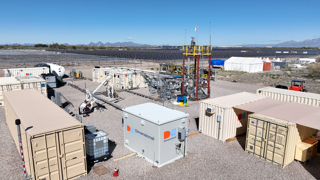
The company's value chain starts where the CO2 is: large plants and refineries, currently its primary customers. Dimensional Energy takes captured CO2 or certain other carbon-based waste, converts it into syngas and produces renewable oil products from it.
Ahead of the curve
Dimensional Energy's catalyst technology could give industries that depend on oil more control over their supply. The company says its process could reduce reliance on finite fossil-fuel reserves while reusing captured carbon.
Salfi sums up the value proposition simply: Dimensional Energy aims to deliver economic and environmental value through technology designed to be safe and resilient. Its catalyst approach gives industries a way to begin changing course now — before global concerns become global emergencies.