


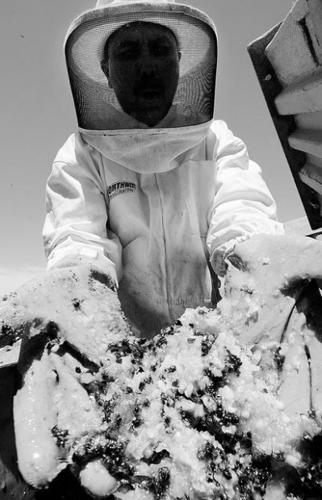
Bee smart
● What is an Africanized bee?
Africanized bees are more aggressive and territorial than regular bees. In the Southwest, the vast majority of bees are Africanized. If you see a bee, experts say you should assume it's Africanized. A lone Africanized bee doesn't pose more danger than a regular bee, but groups are more likely to swarm.
● When do you need help?
Bees are a dangerous presence on your property when they have a nest to defend. A few bees around your cooler or pool aren't a threat. But if they are going in and out of a hole in your house, they likely have built a nest. That could mean more than 20,000 bees are inside your wall. Call for help.
● What to ask?
Bees leave the nest during the day, so it's important to make sure your exterminator makes a follow-up visit. If exterminators kill the bees that are at home during the day, others will come back after sunset.
People are also reading…
● How much does it cost?
Prices range. Some companies charge several hundred dollars for hive or honeycomb removal, and less than $200 to kill a swarm. Others charge hourly rates. Depending on where the bees have nested, the price could increase. But the Better Business Bureau of Southern Arizona says that if the estimate exceeds $1,000, you may want to get a second opinion.
● Bee safety tips
If bees are swarming you, run. A healthy person can outrun a bee. Standing and swatting them is dangerous and will only provoke them. If possible, run inside a building or another place where you can keep most of the bees out. If you're stung, scrape the stinger off with your fingers rather than plucking it out, which could intensify the sting. If you see an animal or person being attacked, don't attempt to help. The bees will attack you, too. Call 911.
● How can you avoid attracting bees?
Check your house for holes or openings. "Bird ports" - vented screening on some roofs - are popular spots. Bees like places that have multiple entrances, so don't think you can trap them inside. They'll just get out.


