

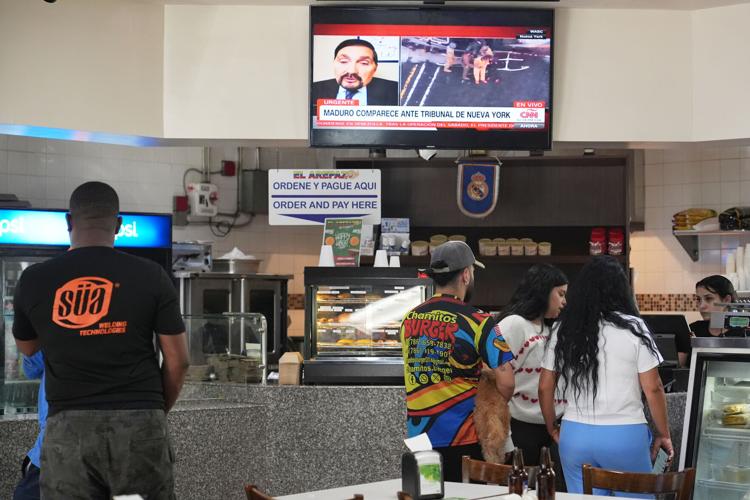
NEW YORK — In the days since the Trump administration ousted Venezuelan President Nicolás Maduro, Alejandra Salima has spoken to fellow Venezuelan migrants in her role as an advocate. Like her, most voice feelings that seesaw between joy and trepidation, she said.
The removal of Maduro is "a first step, but we're nervous," said Salima, who fled to the U.S. three years ago with her 7-year-old son and assists other Venezuelans at the Miami office of the National TPS Alliance.
For more than 770,000 Venezuelans living in the U.S., reactions to Trump's forceful moves in the country they left behind — and the one that has taken them in — are as intense as they are complicated.
Many are thrilled by the removal of Maduro, who harassed and jailed political opponents while presiding over an economic collapse. But as they try to figure out what's next for them and for families and friends still in Venezuela, many have conflicted feelings.
People are also reading…
The Trump administration's move to deport Venezuelans without permanent residency has increased worry. Many were allowed to stay in the U.S. after they were granted Temporary Protected Status, or TPS, a designation Trump revoked after taking office. At the same time, the fear instilled by the government Maduro left behind makes many wary of returning.
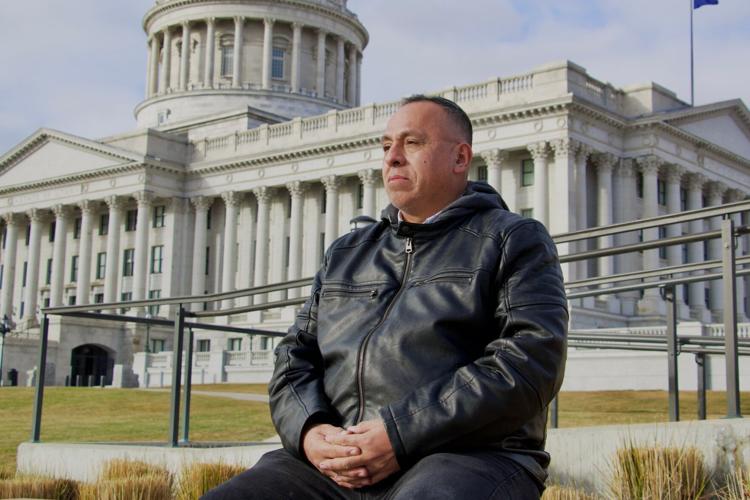
"First, they grabbed Maduro, and I feel happy, happy, happy, grateful to the Trump administration," said Manuel Coronel, 54, a lawyer who left Venezuela in 2017 and now lives just north of Salt Lake City. But he worries the change will be too limited.
"They got him, but the criminals are still there," said Coronel. "There's no new government. Everything's exactly the same."
No rush to return
The tensions belie assurances by Homeland Security Secretary Kristi Noem, who asserted that "overwhelmingly the Venezuelans that I've heard from or talked to are excited about the changes."
"They have more opportunities to go back to their country and have it be more successful and provide for their families today than they did ... when Maduro was still in charge," Noem said.
But in interviews with Venezuelans around the U.S., there was little indication of a rush to return.
José Luis Rojas, 31, ended up in New York City after fleeing the Venezuelan capital of Caracas in 2018.
He recounted how Venezuela's hyperinflation made it impossible to buy essentials like diapers after his partner became pregnant. They went first to Ecuador, then Peru, but left to escape crime.
Since the couple and their son arrived in the U.S., Rojas has obtained political asylum, a work permit and a driver's license.
He welcomed the toppling of Maduro, but expressed doubt about the Trump administration's tightened policies on Venezuelans in the U.S.
New lives in the US
About 8 million Venezuelans have fled the country over the past decade, with the great majority landing elsewhere in Latin America. Hundreds of thousands have made their way to the U.S., with large numbers settling in suburban communities outside Orlando and Salt Lake City.
For people like Jesus Martinez, who fled to the U.S. in 2021 after facing physical threats and persecution, "life in Venezuela is behind us."
Martinez, 50, now lives with his wife and children in Orem, Utah, and has applied for political asylum. While it is a relief that Maduro has been removed, he said, Trump's push to send Venezuelans back to a country whose government they distrust presents a paradox.
He noted that it will take considerable time before loyalists to Maduro are rooted out and Venezuela can make a transition to a stable democracy.
Reservations about going back
Salima, 48, was active in opposition politics in Venezuela, where she trained as a lawyer and marched in peaceful protests. She came to the U.S. legally with her son, who is now 10 years old, on a temporary permit for humanitarian reasons, which Trump has revoked. She is elated by Maduro's ouster.
But those feelings are tempered by her unease over Venezuela's future while his allies are still in power. Her mother remains in Venezuela and refuses to discuss politics during chats on an encrypted app, fearful that government authorities will find out, Salima said.
Asking for a choice
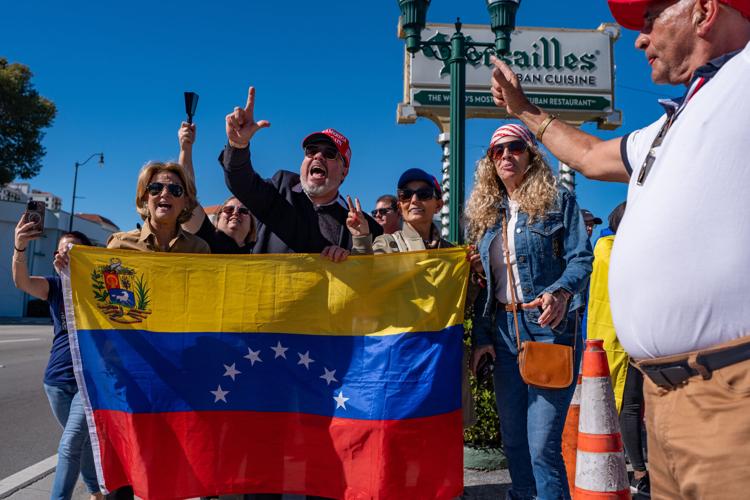
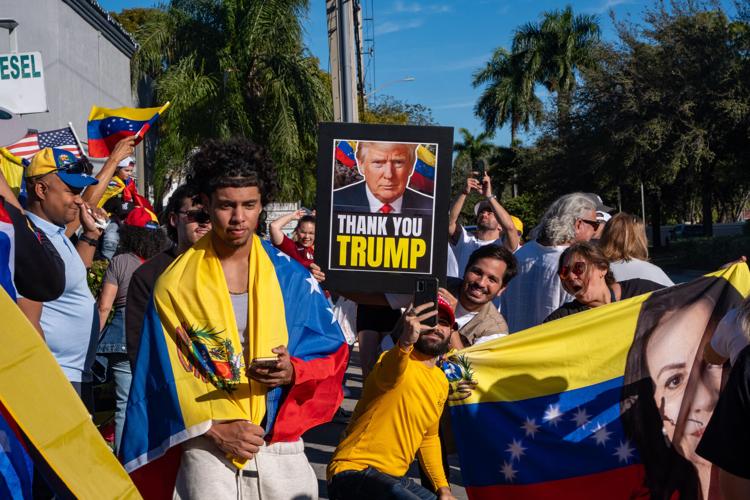
Rallying with other Venezuelans this week in Doral, Florida, to celebrate Maduro's ouster, Jorge Galicia recounted fleeing in 2018 after a fellow student activist was arrested during a wave of demonstrations against the regime.
After settling in the Miami area, Galicia said he joined Charlie Kirk's conservative Turning Point USA movement, whose politics closely align with Trump's. But Galicia, 30, said his support for the Trump administration began to waver as the crackdown on immigrants intensified, breaking up families.
He hopes Trump will reconsider his decision to deport Venezuelans like himself who have built new lives in the U.S. but still lack permanent status.
"The reason we're here is because there was a horrible regime that forced millions of us to leave," said Galicia. But, he said, "everyone deserves to have the choice of returning home."
Associated Press writers Valerie Gonzalez in McAllen, Texas; Josh Goodman in Doral, Florida; Elliot Spagat in San Diego; and Hannah Schoenbaum in Salt Lake City contributed to this report.