Real estate broker John Spaschak feels vindicated.
Earlier this month, he and a partner offered up a three-bedroom ranch house in Cheektowaga, New York, for the low-low price of just $1, determined to prove that a listing price is irrelevant to what a home ultimately sells at.
By Monday night, after going through more than 80 offers that ranged from that $1 to the upper range of neighborhood comparables in the $280,000 range, he and fellow agent Scott Katilus – who own the house on Diane Drive together – had accepted an offer near the top.
And that is exactly where he and other agents had expected it to turn out.
People are also reading…
"We got exactly what we expected we would get, and we proved what our whole purpose was, which was to show that list price is not indicative of what a home sells for," said Spaschak, of WNY Metro Roberts Realty. "A market is going to bear what it’s going to bear, and it did exactly that."

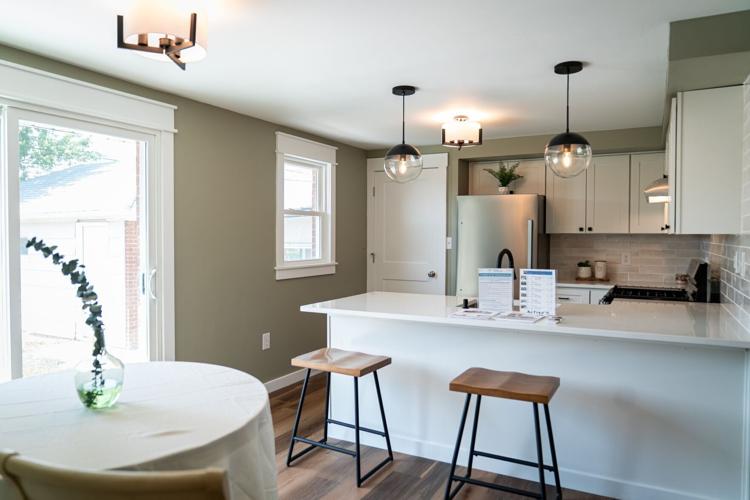
A view of the kitchen inside John Spaschak’s Cheektowaga home that he listed for $1.
He would not disclose the transaction price until the deal closes, expected in about 60 days. Nor would he specify the highest offer, or the range of offers, or even exact examples of comparables, other than to say that they ran from $220,000 to $280,000. That would put the offer price somewhere in the $192 to $245 per square foot range, at a time when popular homes typically sell for more than $200 per square foot.
Those comparables were based on sales of similar three-bedroom ranches with one bathroom, located in the Maryvale School District in Cheektowaga, but not in the Village of Depew, with square footage within 10% of their house, that were built within a few years of this home. Built in 1962, the 1,140-square-foot house sits on just over a tenth of an acre of land, with a one-car garage and a full but partially finished basement.

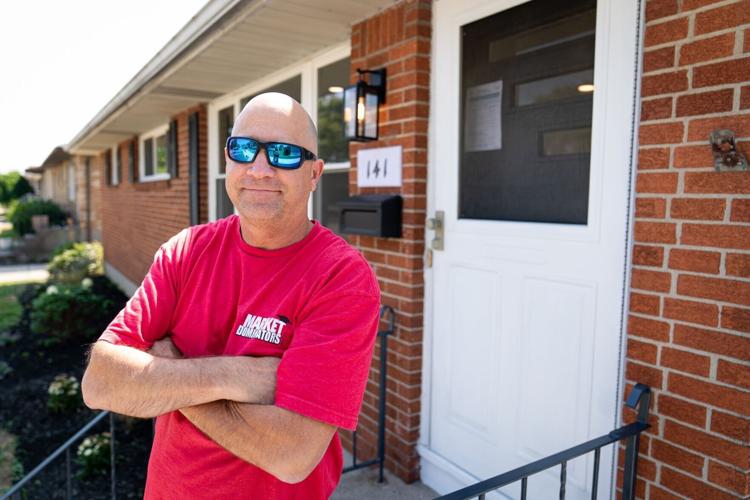
John Spaschak stands outside his renovated Cheektowaga home, which he listed for sale for $1. He received a wide range of offers, proving "that list price is not indicative of what a home sells for."
And he noted that a seller might not simply take the highest bid because of other conditions in the offer. For example, Spaschak said, he and his partner could not legally accept an Federal Housing Administration loan – even though "this type of house would do really well if it were marketed to an FHA buyer" – because they haven't owned it for more than six months, as required under FHA rules to prevent immediate flipping. They bought it in June for $100,000 and then renovated it.
The listing generated 1,200 leads on Zillow and more than 40,000 views.
"You're going to start to see more $1 listings," Spashak said.
"This is not a marketing gimmick. This is proving to the market," he add. "The consumer is very left behind, because they think that when they see a price on a house, that that is what the seller is asking for, and that is not true. A seller does not know what their house is worth until they take it to market."

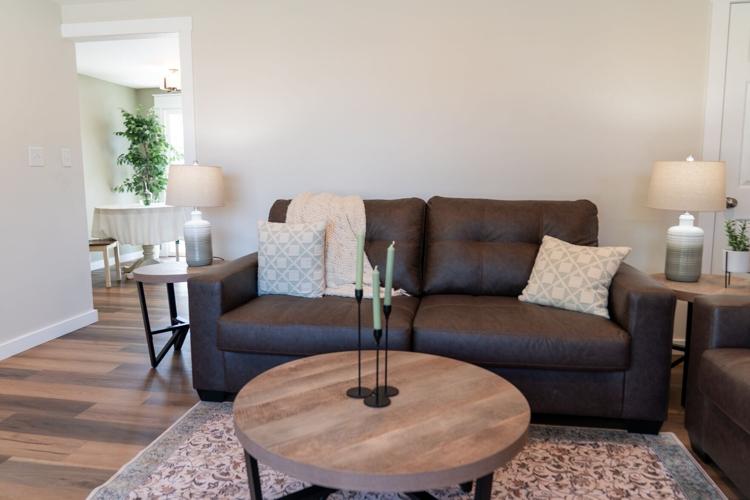
A view of the living room inside John Spaschak’s Cheektowaga home that he listed for $1.