

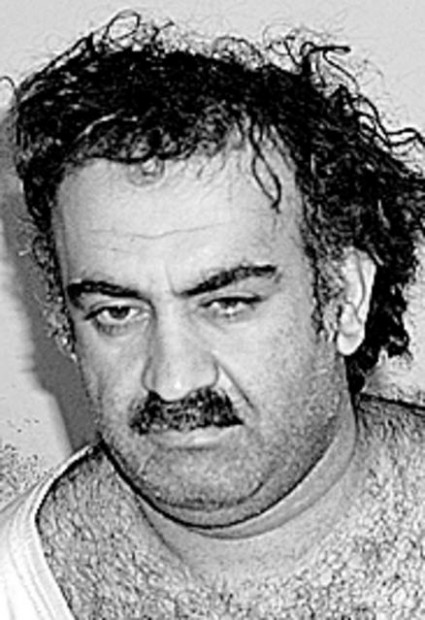
GUANTANAMO BAY NAVAL BASE, Cuba — Khalid Sheikh Mohammed, the alleged mastermind of the Sept. 11 attacks, is expected to face a hearing at the Guantanamo prison camp within three months, a military official said Wednesday.
Mohammed and 13 other "high-value" detainees recently transferred from CIA custody to the U.S. Navy base at Guantanamo Bay, will face Combatant Status Review Tribunals, said Navy Capt. Phil Waddingham, director of the Office for the Administrative Review of the Detention of Enemy Combatants.
The 14 new detainees will be invited to appear at the hearings, held in a small room inside a prefab building here, which will determine whether they are combatants, Waddingham told reporters. If Mohammed appears, it would mark the first time he has been seen since he was captured more than three years ago.
Detainees can refuse to appear but the tribunals will be held regardless, Waddingham said.
People are also reading…
Army Brig. Gen. Edward A. Leacock, the deputy commander of Guantanamo, said the 14 new detainees are being treated humanely.
"They're all adapting well to their new environment," Leacock told reporters, adding that they're fed three times a day, have recreational opportunities and have opportunities to pray five times per day.
They have been given materials to write letters, which will be given to the Red Cross for mailing after they have been censored by the military, Leacock said. The Red Cross announced in Geneva Wednesday that it will visit the 14 new detainees next week.
Waddingham told reporters visiting Guantanamo that preparations were being made for the Combatant Status Review Tribunal for Mohammed and the other 13 detainees.
He said he expects the tribunals to begin in two or three months. The other roughly 450 detainees at Guantanamo, who began arriving in 2002, have already undergone the tribunals. The new arrivals' tribunals will almost certainly use the same procedures, Waddingham said.
The tribunals are conducted by a three-member military panel, which examines evidence against a detainee, can speak to witnesses, and determines if the detainee is an enemy combatant and should be held. The detainee is represented by U.S. military counsel.
Those judged not to be enemy combatants are generally transferred to their home countries. Those classified as enemy combatants stay locked up here.


