
The following is the opinion and analysis of the writer:

Helen Ingram
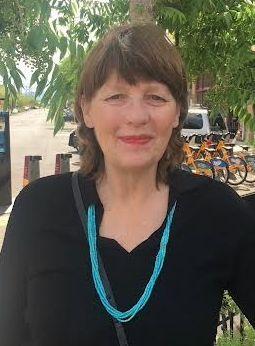
Margaret Wilder
They must be dreaming. Last week, a report by the Arizona Department of Water Resources (ADWR) renewed Tucson’s designation as a city with a 100-year assured water supply, keeping the door open for new housing development for the next ten years. The problem is: the planning does not account for Tucson’s heavy reliance on water from the Central Arizona Project (CAP) that is about to give out. As soon as next week, the federal government is expected to announce its preferred alternative for mandatory cuts in CAP for Arizona ranging from 6 to over 80%. Tucson is located at the end of the pipeline and is legally and politically disadvantaged. We are plagued by long-term drought and disappointing monsoons. The pleasant dream of a century of assured water supply is at odds with the reality we face.
The CAP is a 336-mile aqueduct system that brings water from the Colorado River to Tucson and Phoenix, accounting for 80% of Tucson’s renewable water supply. The last four years were among the hottest and driest April-June periods on record, and 2024 and 2025 (most recent years for which full data are available) were the 2nd- and 4th-hottest years recorded.
People are also reading…
Since 1970, Arizona’s average annual temperature has increased by 3.4 degrees Fahrenheit while precipitation decreased by 2.7%. Statewide population has increased from 1.8 million in 1970 to 7.1 million in 2020.
To be sure, Tucson water officials have rightly focused on diversifying and strengthening the city’s supply through water reuse and recharge and conservation programs. The Tucson community has stepped up for decades by embracing desert landscaping in our yards and “beat the peak” measures for water use in our homes such as rainwater harvesting and shorter showers.
Tucson is recognized as a national and even global leader in urban water management and conservation. But an increased population and new housing would add to overall water consumption.
Yet now we are entering a world with an increasingly challenging climate, dire conditions in the Colorado River basin, and groundwater supplies under pressure. If water supplies are significantly reduced by the federal mandate or by climate change, it will create more pressure on shrinking groundwater resources and may lead to expensive and unappealing sources such as reused wastewater or desalination or even rationing. Ideas like “net-zero” development, which requires developers to offset water use through conservation measures, and sustainable water management without imports from outside the basin and other “hydro-local” practices (as suggested in a 2026 report by the Watershed Management Group) need to replace existing planning and practice. Rainwater harvesting and greywater reuse need to be expanded and integrated into new construction.
The ADWR report of a 100-year supply is delusional given current realities. The challenges we face point to the need for a different framing and new water vocabulary — one focused on clearheaded thinking about conservation for the people and industries who live here and smart choices — rather than blank checks for a 100-year supply — for future development. Conservation should not just be about saving water now to enable more new subdivisions but conservation for the healthy environment and thriving economy we want for ourselves, our children, and our desert. Let’s dream, but let’s also get real.
Follow these steps to easily submit a letter to the editor or guest opinion to the Arizona Daily Star.
Margaret Wilder is professor emerita in geography and environment at the University of Arizona. Helen Ingram is professor emerita in social ecology from University of California, Irvine and the founding director of the Udall Center for Studies in Public Policy, University of Arizona.