

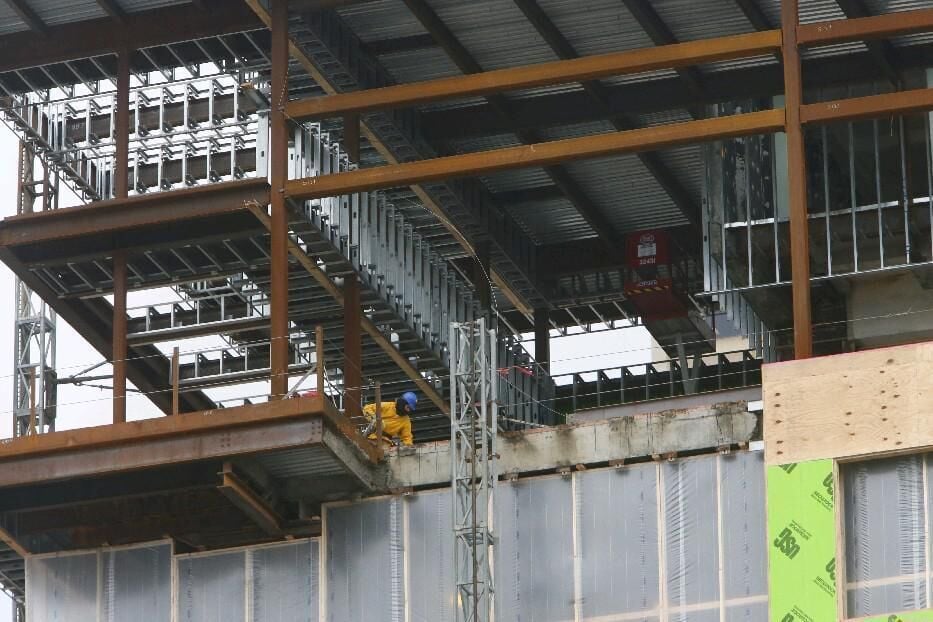
It’s called 485-a and, officially, it’s a tax incentive. In actuality, it’s financial catnip that induces many developers to do things they know are unethical.
The State Legislature just approved a bill to fix this flawed law. Gov. Andrew M. Cuomo should sign it.
The incentive was created by the State Legislature in 2002 to encourage the adaptive reuse of vacant or underutilized commercial and industrial buildings. In particular, it was meant to encourage the development of projects that incorporate both residential and commercial tenants.
It has been undeniably useful in that regard, but it has also been abused, delivering costly tax breaks for projects that evade the intent of the law while meeting its technical requirements. As cheesy as their defenses are, it’s hard to blame builders for taking advantage of fuzzy language. A developer that didn’t make use of a cost-saving measure would put himself at a disadvantage.
People are also reading…
The Western New York poster child for misuse of the law is the Benderson building at One Canalside. The former state office building was reconfigured into a hotel and law office in 2013. By including a single, modestly sized apartment in the eight-story building, Benderson reaped $5.9 million in public subsidies on a project of $32 million.
The incentive is popular and, developers say, often essential. At least 11 projects benefited from it in the year that ended in November 2019, according to the nonprofit Public Accountability Initiative. They ranged in cost between $34,500 to just over $1 million and produced tax savings of more than $450,000.
Taxpayers foot the bill for that benefit. If those projects were otherwise unfeasible and if they complied with the spirit of 485-a, then taxpayers likely received a net benefit. But, plainly, not all projects that have made use of the tax break should have qualified.
Among the changes to the law is a requirement that at least 15% of the floor space be devoted to commercial use, and at least 50% must be residential. Also, at least 75% of an existing commercial building must survive a renovation.
These are changes that developers should support, since the alternative would likely be abolishing the incentive. Indeed, the new language better reflects what should have been in the bill in the first place. That it wasn’t falls at the feet of the law’s drafters, who must surely know that builders are devoted to maximizing incentives.
Public incentives are valuable in this expensive state, especially in Buffalo, with its stock of older buildings. But they have to be well-defined and used appropriately. This is a welcome improvement.
• • •
What’s your opinion? Send it to us at lettertoeditor@buffnews.com. Letters should be a maximum of 300 words and must convey an opinion. The column does not print poetry, announcements of community events or thank you letters. A writer or household may appear only once every 30 days. All letters are subject to fact-checking and editing.

