

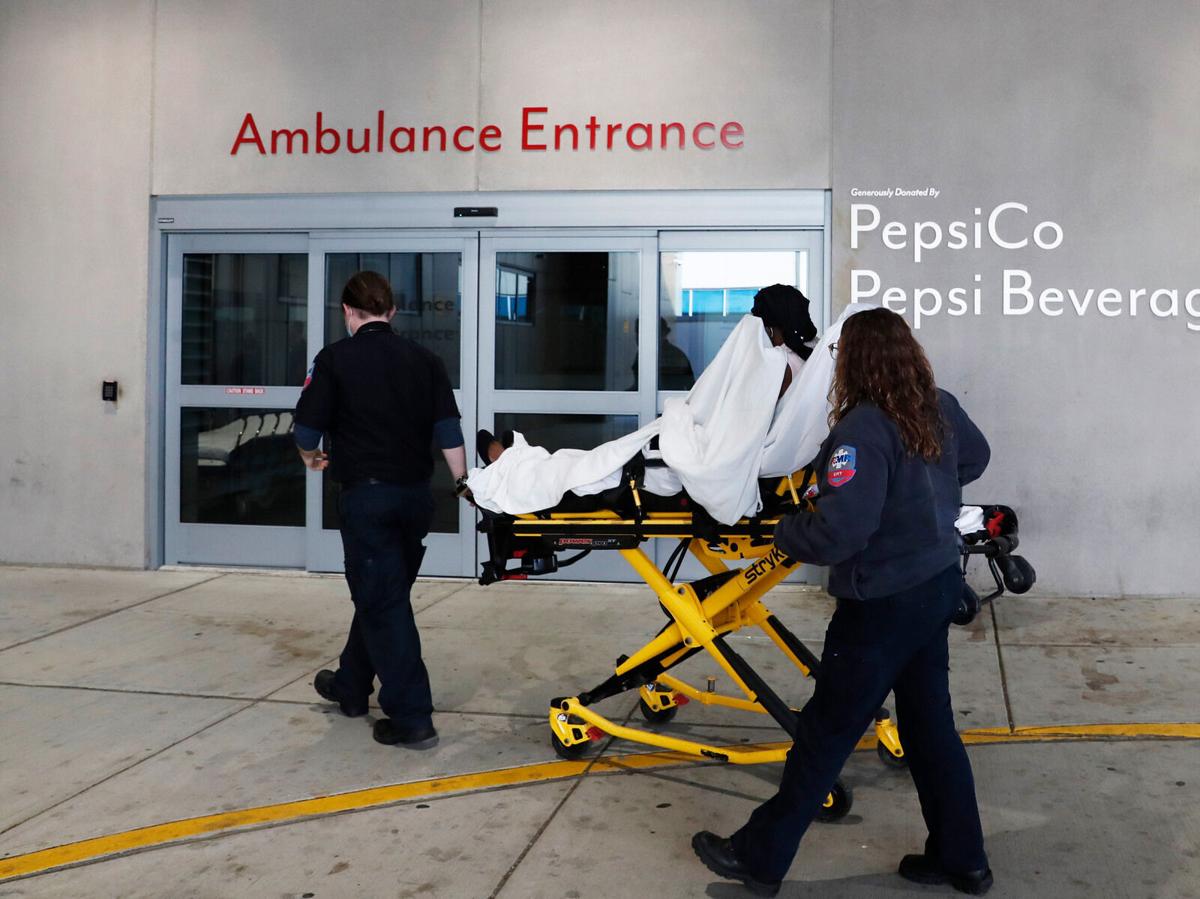
Western New York's hospitals continue to be near or at capacity, treating more patients hospitalized with Covid-19 and wary of how many more cases could crop up following the Thanksgiving weekend.
If things get much worse, Erie County Executive Mark Poloncarz warned Wednesday, the county may have to order all elective surgeries canceled or postponed at the area's hospitals. Such a directive could deal another financial blow to the region's hospitals, still trying to recover from the havoc the pandemic has wrought so far while also grappling with a staffing crunch that is forcing them to dole out huge amounts for traveling nurses.
"We cannot let our hospitals get overrun," Poloncarz said Wednesday. "It's as simple as that."
Erie County recorded 878 new cases Tuesday, the highest one-day total since the beginning of the pandemic in March 2020. The county followed that up with 799 new cases Wednesday.
People are also reading…
Read the full story here.
Hospitalizations also are surging across Western New York, made up of Erie, Niagara, Allegany, Chautauqua and Cattaraugus counties.
There were 448 Covid-19 patients hospitalized across the region Wednesday, up from 330 one week earlier and on par with hospitalization counts in mid-January.
Erie County Medical Center, Catholic Health System and Kaleida Health already have been postponing elective surgeries with regularity, one of many steps they have taken to handle the influx of patients and avoid further strain on a stressed health care system.
For instance, in Western New York, state Health Department data shows 91.5% of staffed hospital beds and 87% of intensive care unit beds were occupied Wednesday — much higher than the 80% capacity mark that hospitals look to operate at to ensure flexibility. Occupancy rates Wednesday were similar to figures recorded one week earlier, with the percentage of available beds remaining near lows for the year.

Yet another surge of Covid-19 cases in Western New York is straining hospital resources and forcing an exhausted health care workforce back on its heels, drying up bed capacity across the region and leaving officials concerned heading into the holiday season.
Same story, different day for ECMC, which hasn't performed inpatient elective surgeries since September, spokesperson Peter Cutler said, noting the medical center has only done outpatient or emergency surgeries.
Health Department data shows ECMC has been at capacity throughout most of November, including Wednesday when all 530 of its staffed hospital beds were occupied. That day, 42 of the hospital's 48 staffed intensive care unit beds were taken.
"We’re very full and we continue to be very full and we’re doing everything we can to take care of the patients who come to us for care," said Cutler, urging those with mild symptoms to consult with their primary care doctors or visit an urgent care center to relieve stress on ECMC's emergency department, where 20% of patients are leaving without being seen.
The number of those hospitalized with Covid-19 also has increased: ECMC had 60 Covid-19 patients in the hospital Wednesday, up from 30 one week earlier.
Catholic Health System is in the same boat, weighing all options to try to reduce inpatient admissions.
"We are assessing our surgical caseload daily and adjusting accordingly," spokesperson JoAnn Cavanaugh said. "Based on our current hospital capacity, we are cancelling or postponing any surgery that would require an inpatient stay that isn't considered urgent or emergent."
Across Catholic Health's hospital footprint, state data shows nearly 93% of staffed hospital beds and 88% of staffed ICU beds were occupied Wednesday. The health system had 150 Covid-19 patients in its hospitals as of Wednesday, up from 116 one week earlier.
At Mercy Hospital of Buffalo, ramping up following a 35-day labor strike that ended this month, 220 of 225 staffed hospital beds and 20 of 23 ICU beds were full Wednesday.
Mercy is working to get back to where it was pre-strike. In mid-September, for example, the South Buffalo hospital had 341 staffed hospital beds and 40 staffed ICU beds, state data shows.
Building back after the strike coupled with staffing challenges at other hospitals means there are currently fewer staffed hospital and ICU beds across the area, further bloating the capacity figures. And that staffing situation could get even worse in a couple weeks as unvaccinated health care workers who previously secured religious objections to the vaccine mandate lose those exemptions.
About 300 workers at Catholic Health, 190 at Kaleida and 127 at ECMC could be terminated around Dec. 4 unless they secure a medical exemption or opt to get their first shot.
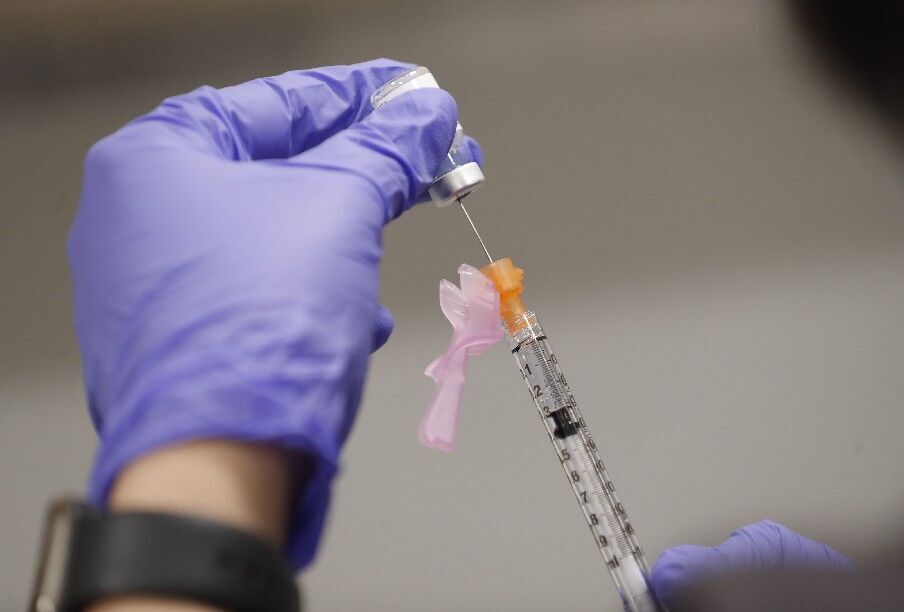
Health care workers who were previously granted religious exemptions to the state's Covid-19 vaccine mandate are losing those exemptions, forcing them to get a valid medical exemption or get vaccinated if they want to keep their jobs.
Kaleida Health's hospitals remain near capacity, with the numbers at its facilities staying relatively stable in the last few weeks, said Dr. Michael Mineo, chief medical officer at Buffalo General Medical Center, Millard Fillmore Suburban Hospital and DeGraff Medical Park.
State data shows occupancy rates have stayed steady: About 88% of staffed hospital beds and staffed ICU beds were occupied across Kaleida's hospitals on Wednesday, roughly the same as a week earlier.
But Kaleida, like other health systems, has seen Covid-19 patients make up a larger percentage of its inpatients: There were 149 Covid patients at Kaleida's hospitals on Wednesday, up from 120 one week earlier.
"We're busy, but we're able to manage the flow of patients," Mineo said.
Twenty months into a pandemic, Mineo said Kaleida is used to balancing Covid and non-Covid patients at the same time.
Every morning and afternoon, he said Kaleida has a call with the system's physicians and surgeons, evaluating the surgeries scheduled for the coming week as well as available staffing and beds.
Based on those discussions, Kaleida decides whether to postpone or proceed with certain surgeries. Moving forward, Mineo said Kaleida hopes it will continue to make its own decisions on elective surgeries.
"Our preference is to continue to manage our own business," Mineo said.


