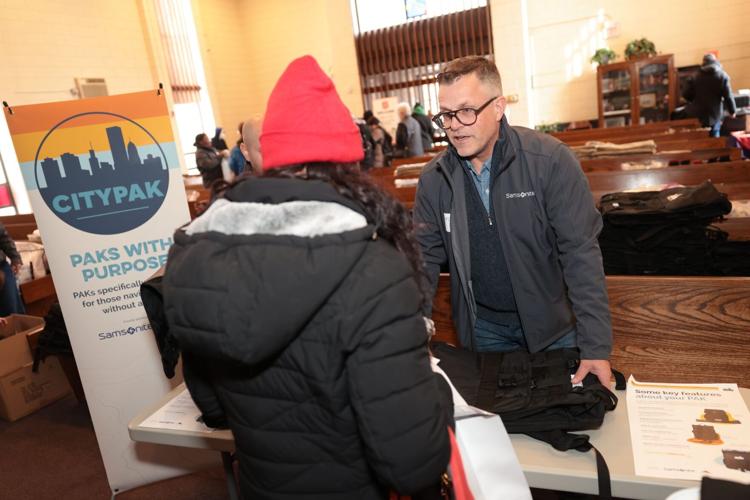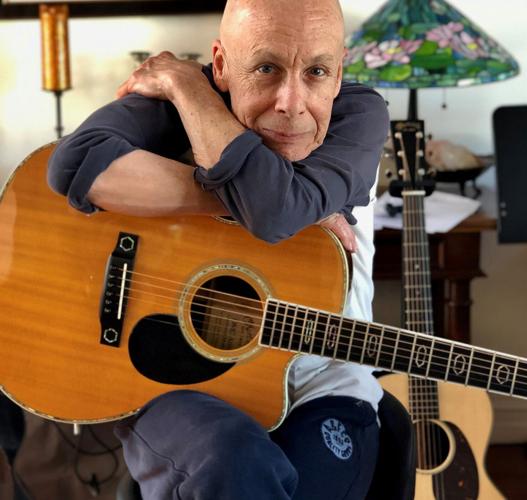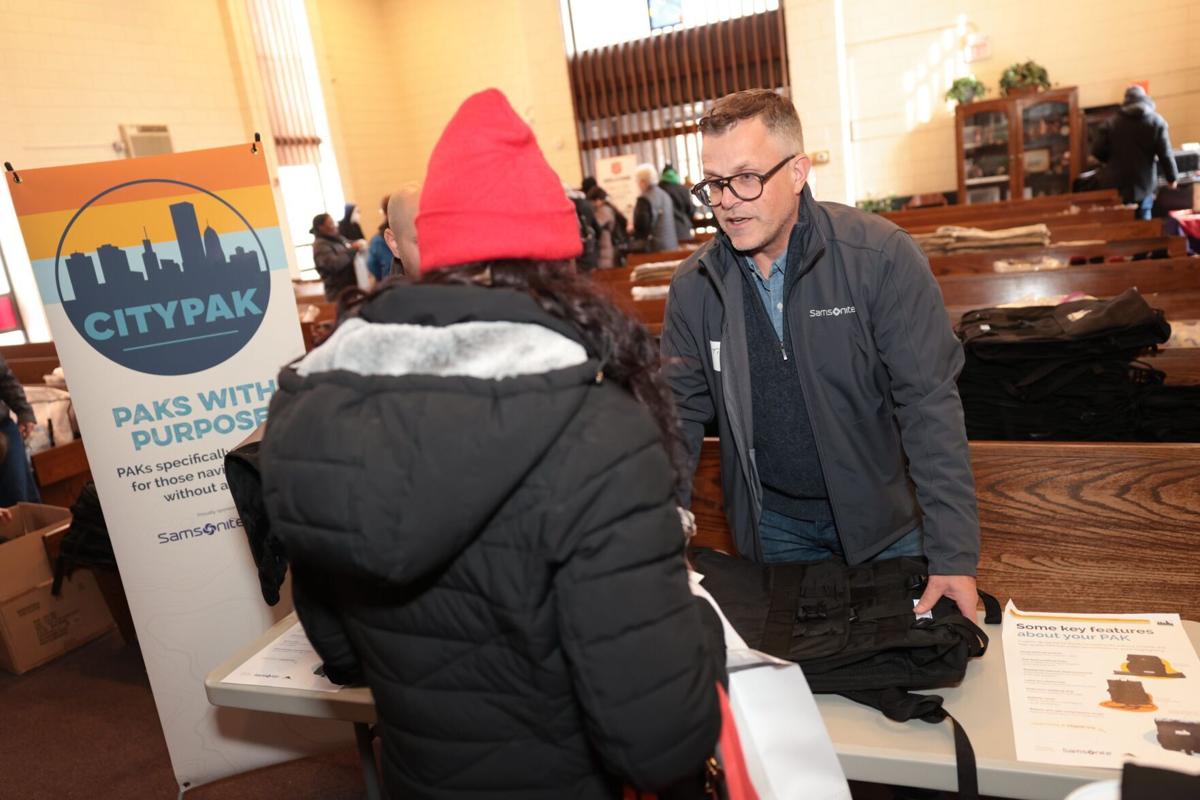
Ron Kaplan is a music agent who founded the CITYPAK Project, which gives specially designed backpacks to people experiencing homelessness. When we talked about where that impulse came from, he told me about his mother.
She helped people, all the time and whether or not it was convenient. Kaplan grew up watching her, and he believes the instinct got passed down to him, almost as though it's in his genes.

Dr. Barton Goldsmith
I found that moving. We spend a lot of energy deciding what to leave our kids: money, property, a leg up. Kaplan's mother left him the urge to help someone else, and he built something with it.
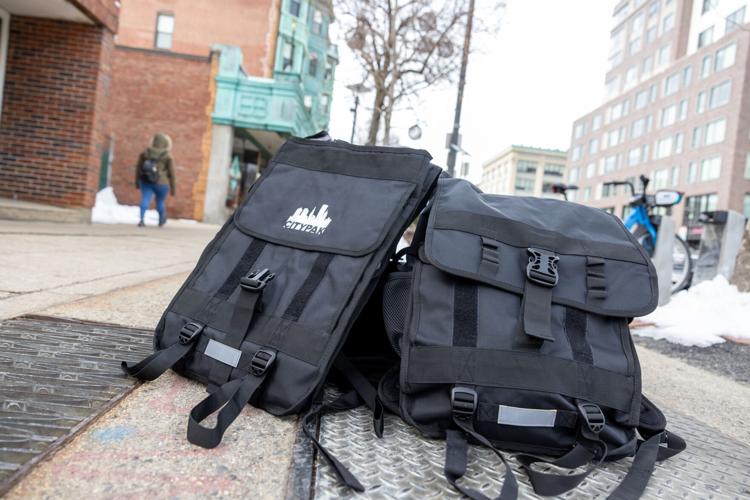
CITYPAK started in Chicago in 2012 with a simple observation: People living on the streets have no secure way to carry what matters most to them. Kaplan worked with luggage makers Samsonite and High Sierra, homeless outreach specialists and people who had been homeless themselves to design a backpack for the job. It's durable, water-resistant and reflective, with anti-theft features and waterproof compartments for documents.
People are also reading…
Those compartments matter more than they might sound. Your ID, your medications, your photographs — on the street, all of it rides on your back, and when it gets lost or ruined, there's no drawer at home with a spare.

CITYPAK bags are durable, water-resistant and reflective.
The organization reports distributing more than 130,000 backpacks in more than 260 cities through hundreds of partner organizations, with distributions planned in Canada, England and Ireland. A backpack won't end homelessness, but the person wearing one gets to hold onto a few essentials and some dignity.
Other people in the music business have figured out that guitars, money and connections can do a lot of good offstage.
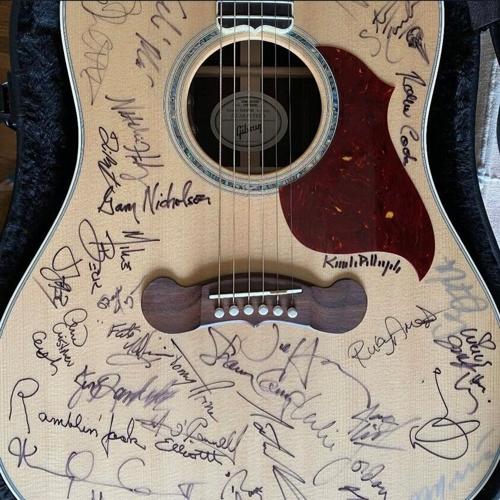
Gibson Guitars runs a nonprofit called Gibson Gives, and when I talked about it with Libby Coffey, the scope surprised me. It backs music education, health and wellness, and programs that get instruments to people who would otherwise never play one. In 2025 alone, Gibson Gives reported donating 2,445 guitars and helping generate more than $5.3 million in charitable support through product donations and other giving.

Gibson Gives is the charitable arm of Gibson Guitars, which donated more than 2,445 guitars last year.
It also awarded scholarships and assisted hundreds of organizations around the world. After the Los Angeles wildfires, it worked with other groups to replace instruments and support the musicians and communities hit by the fires.
The price tag on a donated guitar doesn't tell you much. In the hands of a struggling teenager it can be a refuge, and someone recovering from trauma may find it says what words can't.
The Guitar Center Music Foundation, an independent nonprofit, works on access. Since 2005, its instrument grants to schools, music education, and music therapy programs have helped more than 300,000 people.
Anyone who has watched a school cut its music program knows what's at stake. Some kids look forward to school because of band. It's where they find confidence, discipline and friends, and a budget spreadsheet has no column for that.
Save The Music Foundation works the same problem, providing instruments, music technology, teacher support and advocacy for music education. The ArtsQuest Foundation helps keep arts programs, education and community cultural events affordable. You won't see much press about any of this, since a grant to a school has none of the pull of a celebrity benefit, but a kid who learns to play at 12 can still be playing at 70.
Then there are the people who have spent their lives making the music. The Recording Academy established MusiCares to help music professionals facing medical emergencies, financial hardship, addiction and mental health problems. Sweet Relief Musicians Fund offers another lifeline to musicians and industry workers dealing with illness, disability and other serious trouble.
Many very good musicians live gig to gig, with no safety net under them. A serious illness can take the income and the ability to play in one blow.
Most of us know about Eric Clapton's Crossroads Centre and the benefit concerts that have supported addiction treatment. A lot of quieter generosity goes on in this business without anyone writing it up.
As a psychotherapist, I've spent much of my career watching how people respond to adversity, and I've learned that helping someone can build a real connection for both people. Music does the same thing across generations, cultures and circumstances, so I'm not surprised that so many people who build their lives around it end up giving something back.
I keep coming back to Ron Kaplan's mother. She probably never pictured it, but the generosity her son joined in on as a boy is now riding on people's backs in more than 260 cities.