


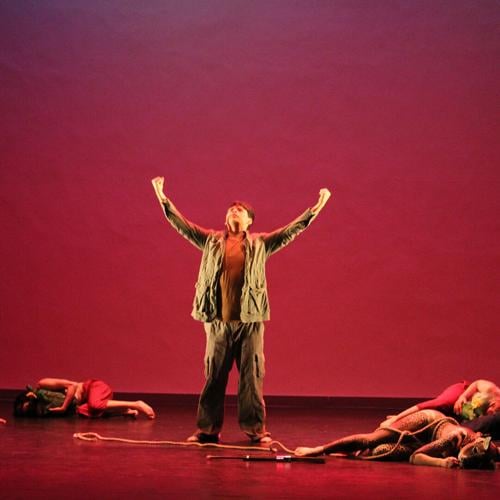
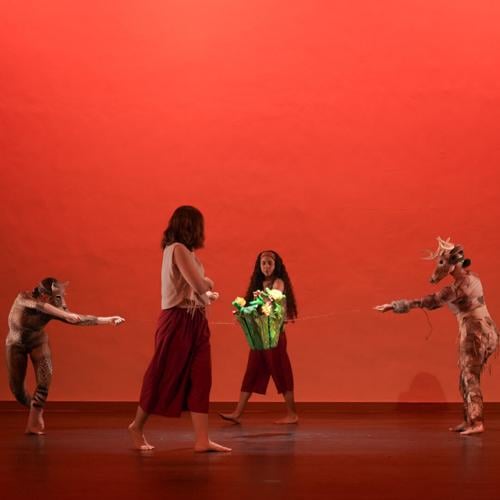
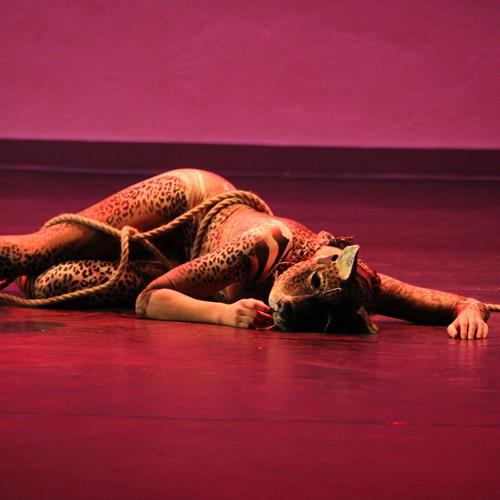
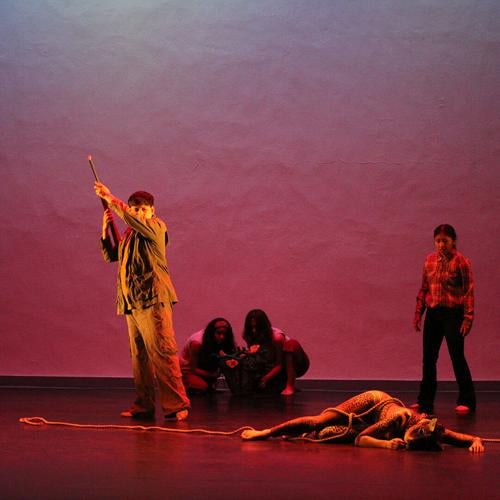
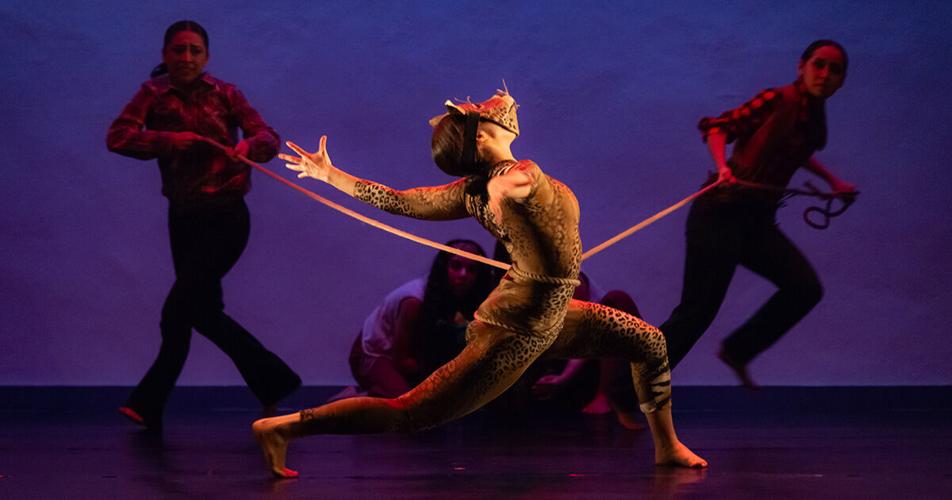
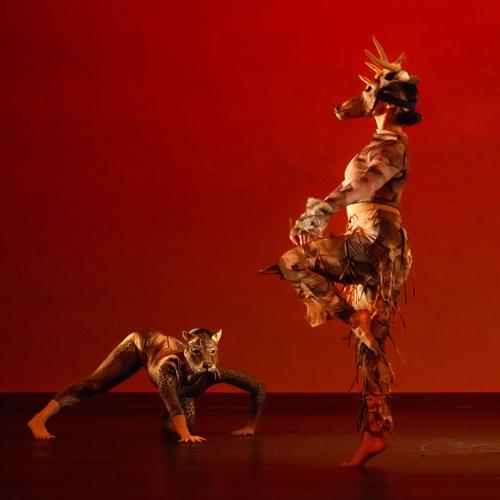
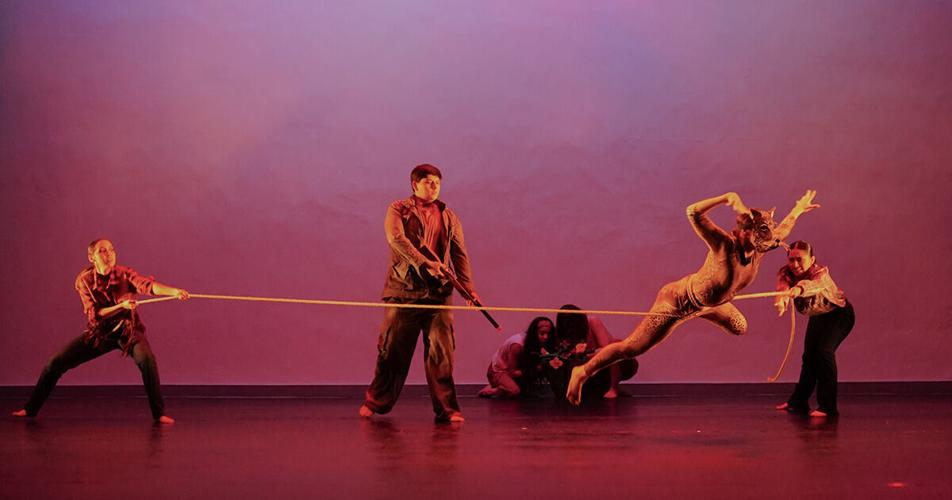
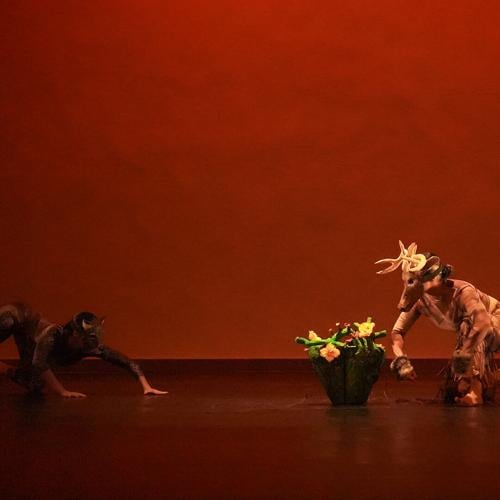
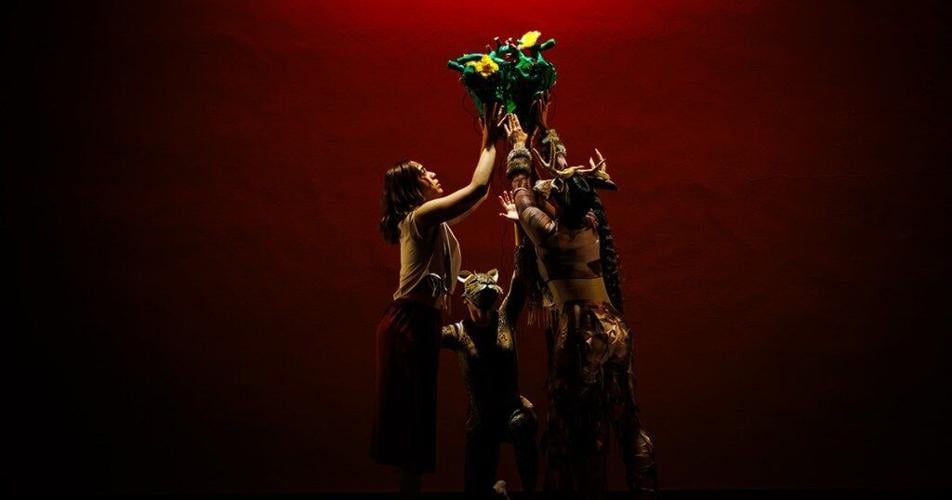
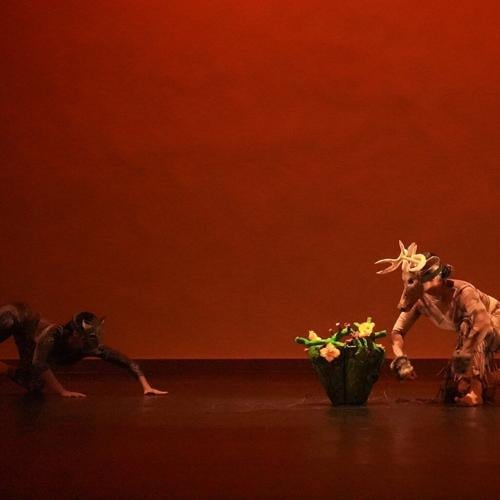
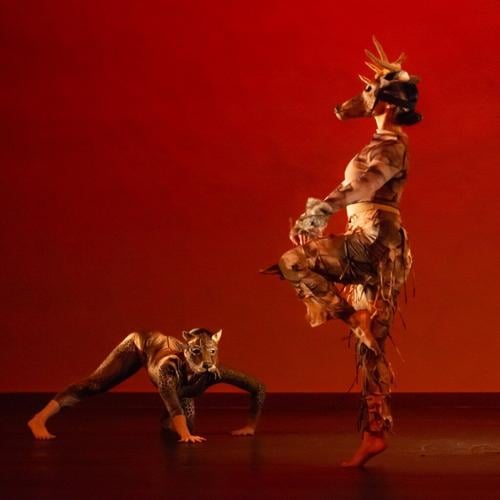
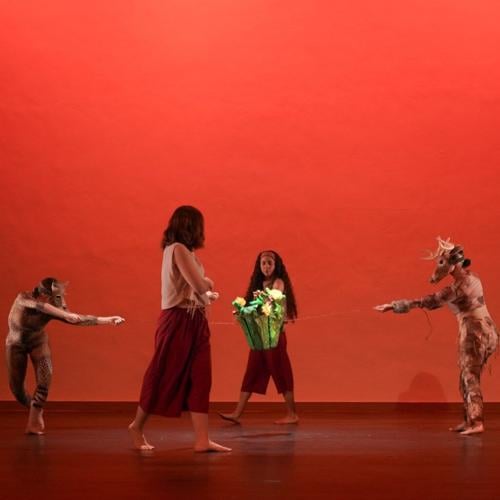
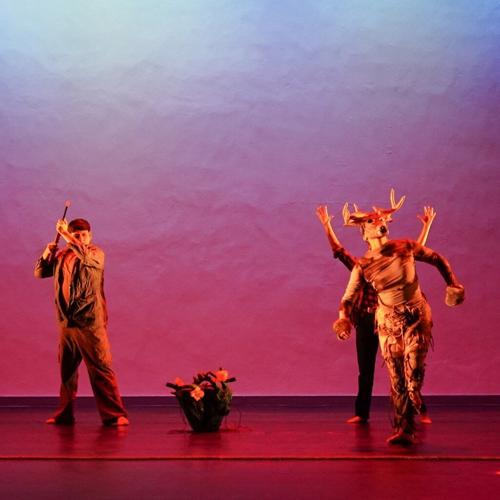
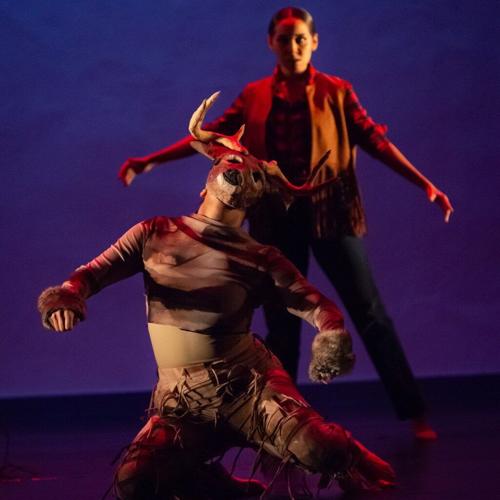
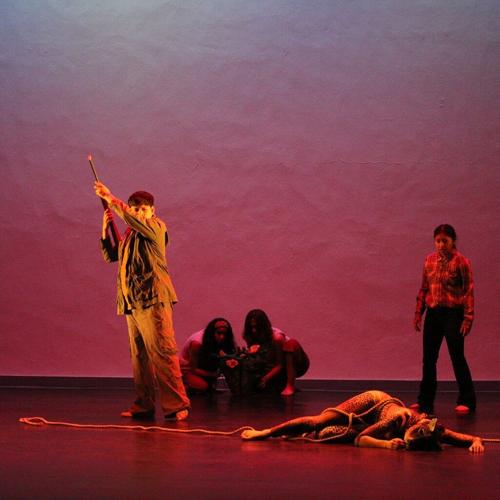
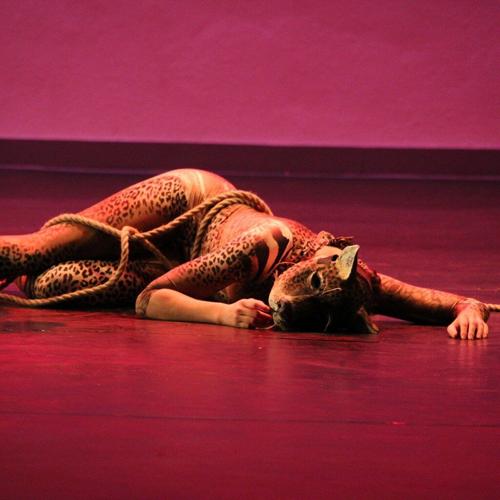
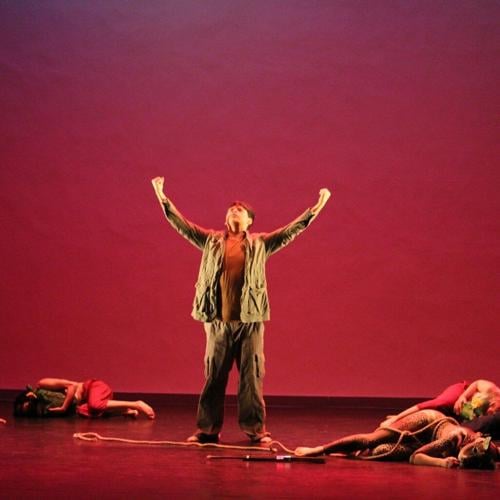
Ángel García is a communications fellow for Sky Island Alliance, as well as our Sonoran Springs expert. He is also a student in the Dance degree program at the Universidad Autónoma de Baja California. All the photos here are part of a choreography he designed.
Ever since I was a kid, I’ve maintained a close connection with nature: living in Esqueda, Sonora, a small town near the mountains, and being able to visit ranches often and camp for days at the “La Angostura” reservoir, where my grandparents used to fish. All this has helped me value nature and find in it a constant source of learning and inspiration. Also, having studied biology, along with my experience at Sky Island Alliance collaborating on the Spring Seeker and FotoFauna projects, has allowed me to get an up-close understanding of these landscapes’ extraordinary biodiversity, along with the challenges, threats, and difficulties that arise between people and wildlife as they coexist. Years later, when I began my training in dance, I discovered that this art form could be a bridge for addressing ecological, biological, and social themes — a new tool that would help me continue environmental education, messaging on its themes and issues, and connecting with people in a more emotional and sensitive way that can lead to questioning and reflection.
People are also reading…
My time with Sky Island Alliance has undoubtedly transformed the way I understand this land and our relationship with it. With this new perspective, I’ve had the opportunity to travel through numerous ranches across the Sky Islands region, visit springs, install and check remote cameras, talk with cowboys and ranchers, and gain firsthand knowledge of some of the issues facing the region.
One of the situations that most caught my attention was the ongoing conflict between big cats and ranching. I heard stories from cowboys about attacks on calves that caused economic losses, and about the easiest way they saw to address the problem: hunting cats as a way to protect their livelihood. At the time, I didn’t have the experience or knowledge to advocate for these large, beautiful cats, since to me they mattered simply for “existing,” for being living beings that serve an important role in the ecosystem. But that response probably wouldn’t carry much weight against the scale of the problem as ranchers saw it.
Today I realize that behind this conflict lies a much deeper story, one that can’t be understood simply as a clash between people and animals. Over the years, I learned that cats often turn to livestock because their natural prey, like deer, is declining due to various factors, including poaching, the transformation of the landscape into agricultural, ranching, or mining land, and habitat fragmentation from fences, roads, walls, and other disruptions. This issue reflects how human actions disrupt the balance of an ecosystem in which all species are connected.
In 2022, I had the opportunity to take part in the Tri-National Sonoran Desert Symposium representing SIA, where I gained a deeper understanding of the region’s history through conversations with members of the Tohono O’odham Indigenous community, who inhabited this region long before it was divided by political borders, the border wall, and the economic activities that define the Sky Islands today. I learned that this land was once traveled by Indigenous peoples who held a deep, spiritual, and respectful relationship with nature — because to them, the animals, springs, mountains, and desert weren’t resources to exploit, but rather beings and places with which they shared a relationship of reciprocity. As they saw it at the time, the land was not property; it was a living space they were also part of.
Recently, during one of my university classes, I learned about Western thought, and that’s when I became aware of certain behaviors I have — things that had unconsciously passed down through generations since colonization and the arrival of new forms of social and economic organization, new customs, and new traditions that gradually displaced the ancestral way of understanding the world. In the Sky Islands, territorial division, private property, capitalism, and the expansion of ranching, agriculture, and later mining reshaped not only the landscape but also our relationship with it. Little by little, humans began to see themselves as owners of nature and its resources, rather than recognizing themselves as part of it.
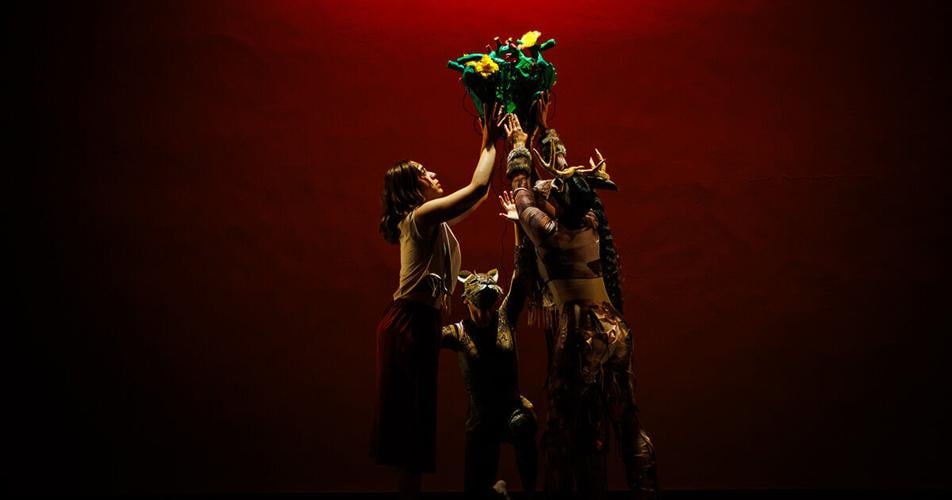
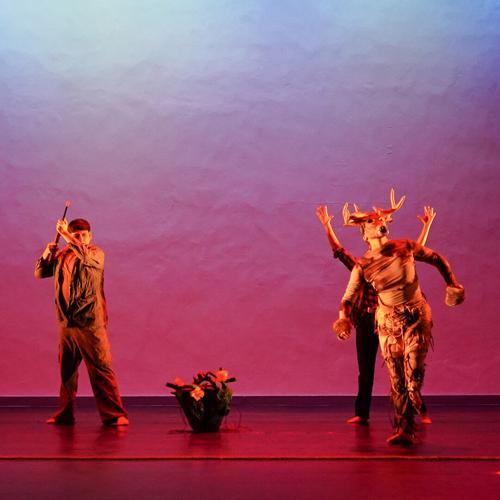
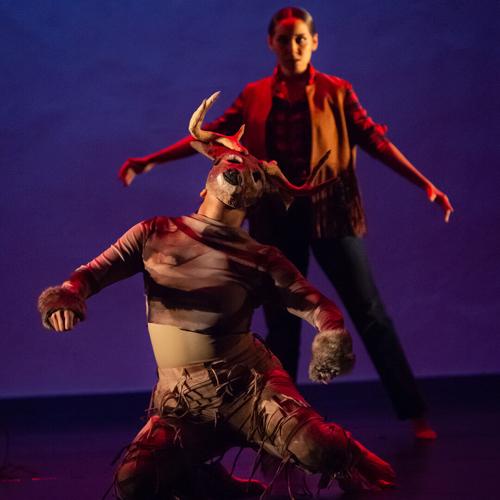
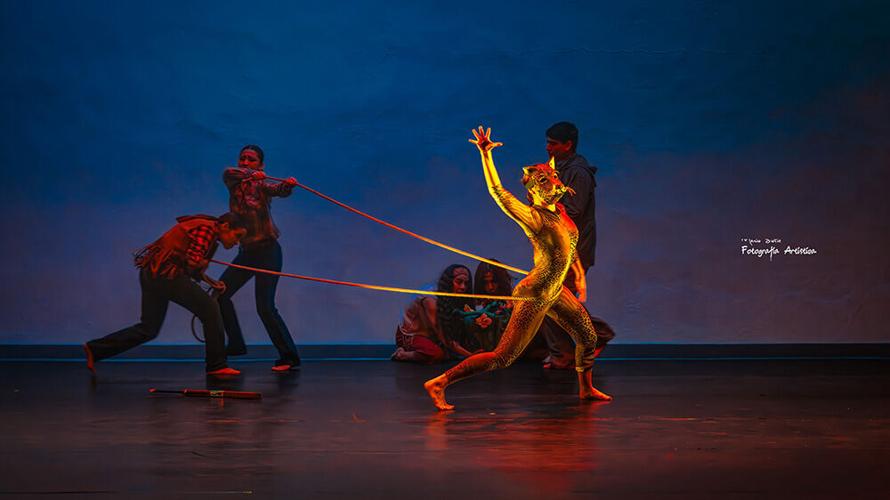
It was precisely these experiences, conversations, and lessons that led me to understand and reflect on the conflict between ranchers and wild cats from different perspectives, a conflict that has been playing out since the extermination of the Mexican wolf. Even with this knowledge and awareness, it could still be hard for me to have a conversation about this topic with ranchers. That’s why I decided to work on a choreography titled “Lost Roots,” performed by Daana Leal, Dalia Ruiz, Sherlyn Canela, Hatziry González, Mahol Salinas, and Miguel Osuna of the Universidad Autónoma de Baja California. It’s a piece that blends elements of folk and contemporary dance, allowing me to express myself and explore this theme. The piece doesn’t aim to assign blame or offer simple answers to complex problems. Rather, it’s a way of showing and acknowledging that the conflict between ranchers and wild cats has multiple causes and affects both biodiversity and the communities that depend on it, inviting us to reflect on the consequences of disrupting the balance that sustains ecosystems.
For me, this choreography and others I’ve created, like “Souls in Flight” and “Last Breath,” represent the union of two disciplines that once seemed very different: biology and dance. I deeply believe in the power of art for environmental conservation. Because protecting nature doesn’t depend only on knowing scientific facts; it also requires awakening empathy, questioning the way we think, and rebuilding the emotional bond that connects us to the world.
