Food traditions from every corner of the globe can be found in the United States, creating an incredible tapestry of flavors, techniques and dishes that make up the American dining scene. But with that abundance comes one tiny hiccup we all face sooner or later: how on earth do you pronounce half of this stuff?
From French culinary terms to Italian pastas and Vietnamese soups, a menu can feel like a linguistics exam.
To have a bit of fun, and to help arm you with all the pronunciation know-how you need to order confidently without speaking five languages or attending culinary school, consider this your guide to navigating the 14 most commonly mispronounced food words, which you'll never botch again.

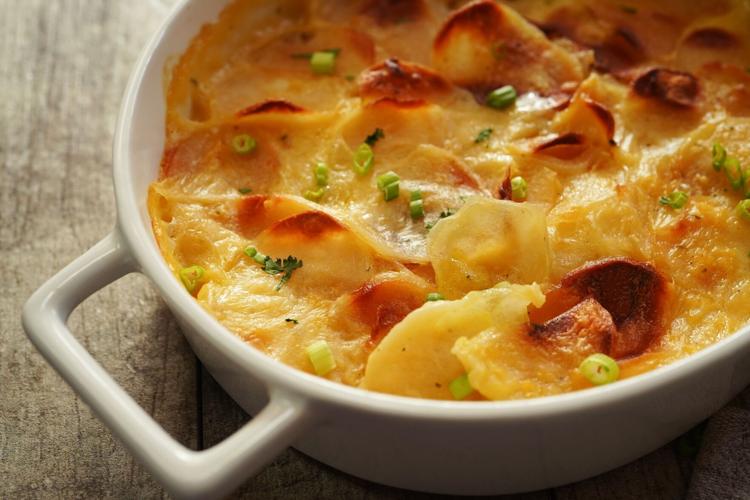
Potatoes au gratin
Au gratin
Oh-gra-TAN comes from French words au (with) and gratter (to scrape). It refers to the upper crust of cheese that's crisped under the broiler.
People are also reading…

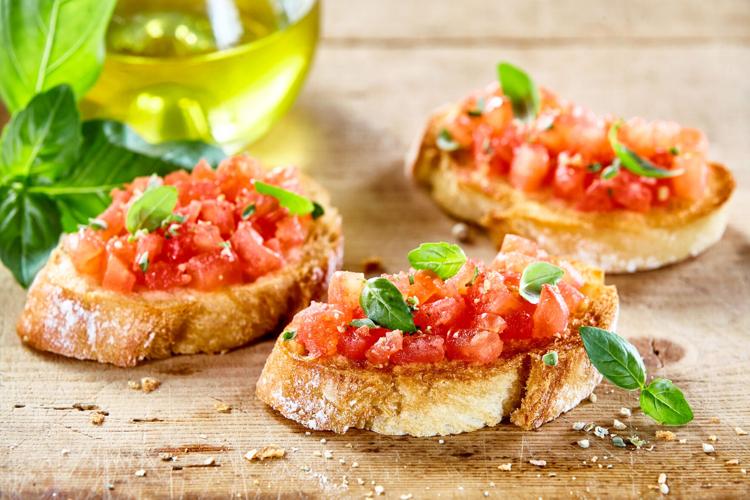
Bruschetta
Bruschetta
This word is pronounced broo-SKET-tah. Never, ever, bru-sheh-ta.
It comes from the Italian bruscare (to roast over coals), referring to bread that's rubbed with olive oil, toasted and traditionally topped with tomato, basil, salt and pepper, though chefs have gotten more creative with the toppings over the years.
Let's solve this mystery once and for all. In Italian, "ch" is pronounced "k" and "c" before the letters "e" and "i" is pronounced "ch."
Cibo
Pronounced CHEE-boh, the word means food or nourishment in Italian. (See the "c" before "i" rule above.)

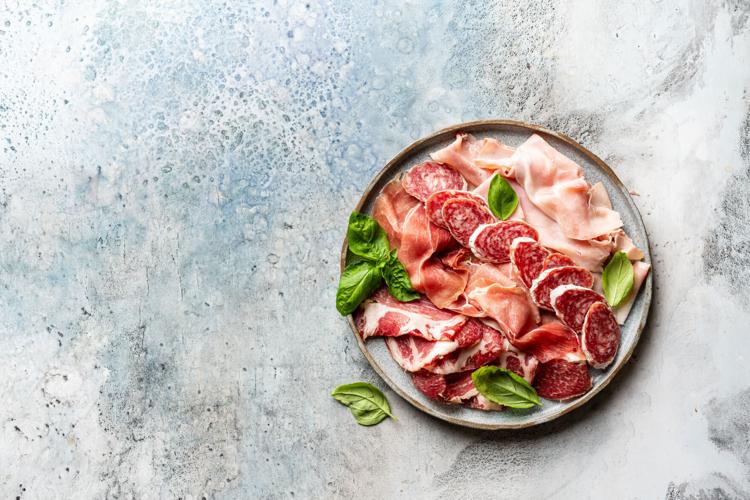
Charcuterie
Charcuterie
In French, "ch" is mostly pronounced "sh," making the above word shaar-KOO-tuh-ree. It means cured or cooked meat products served cold.

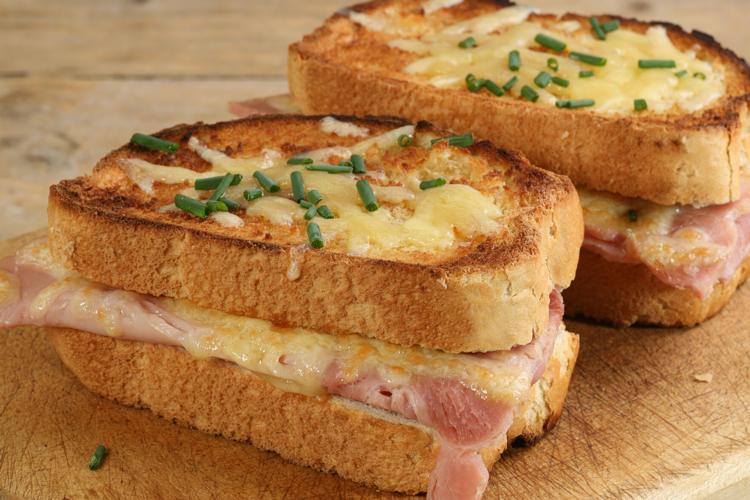
Croque monsieur
Croque monsieur
Pronouced Crohk moh-SYUH. The n and r in the second word are silent. Sorry. Take it up with the French. It's essentially a ham and cheese sandwich with bechamel sauce, which is sometimes egg-battered and pan-fried, baked or grilled.

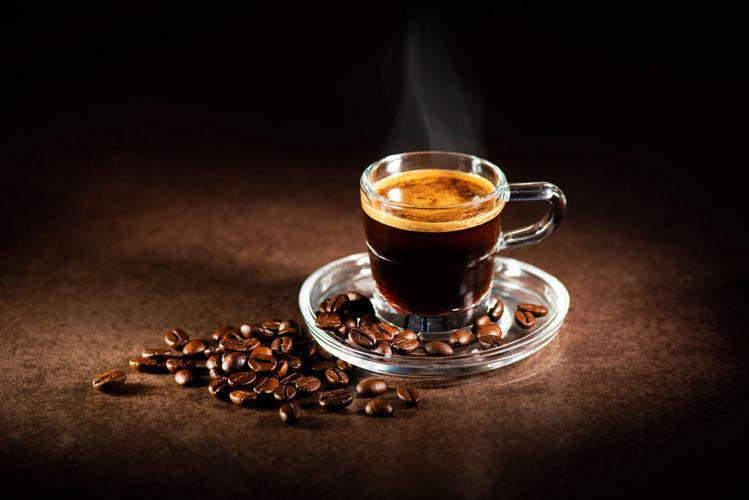
Espresso
Espresso
There is no "x" in espresso. What you see is what you read: ESS-press-oh.

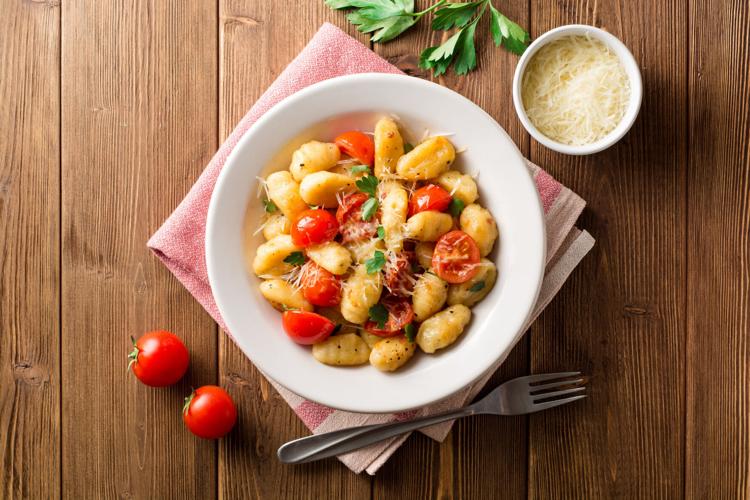
Gnocchi
Gnocchi
NYOH-kee is an Italian word referring to small potato dumplings.

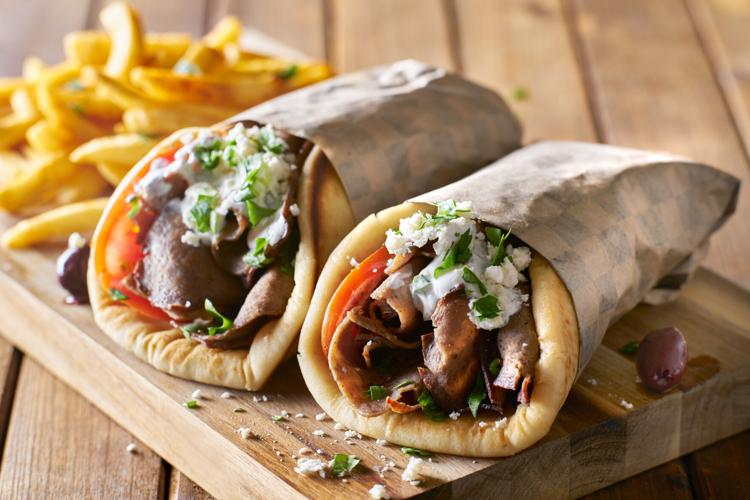
Gyros
Gyro
This Greek dish of a sandwich made of lamb cooked and sliced from a vertical rotating spit is called YEE-roh, not jai-row or gai-row.

Macaron
Ma-ka-rohn (soft, nasal n) is a French sandwich cookie made with almond flour, meringue and sugar. It has a smooth top, comes in a variety of color and is filled with a variety of fillings, like ganache or buttercream.
Macaroon is a completely different sweet in terms of appearance, taste and texture. It's a shredded coconut drop cookie.

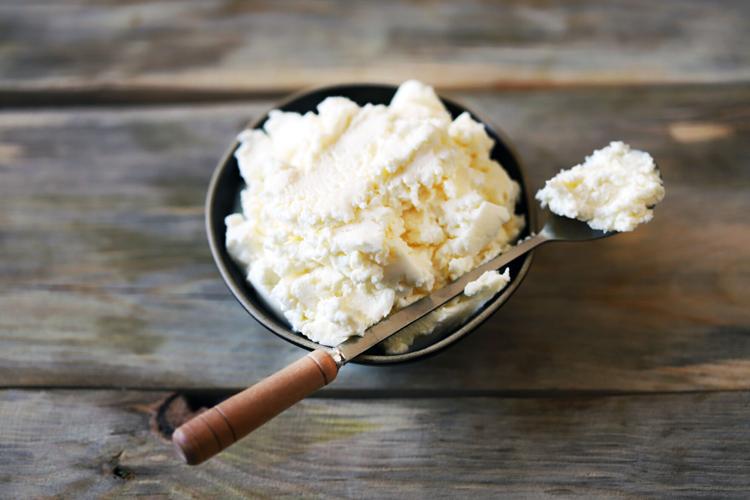
Mascarpone cheese
Mascarpone
Notice where the "r" in the Italian creamy cheese is located. The correct pronunciation is MASS-car-po-neh, but in the U.S., mass-car-pohn also works. Just don't say mars-capone.

Nicoise salad
Nicoise
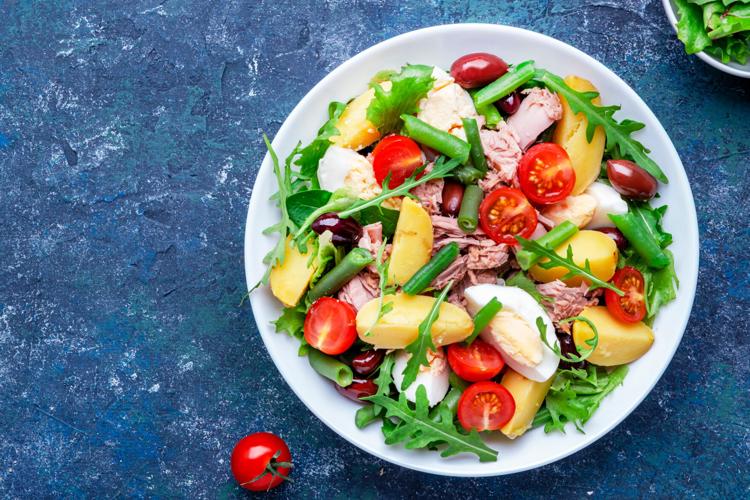
Nicoise (Nee-swaz) salad — typically made with canned tuna, hard-boiled eggs, boiled potatoes, olives, green beans, lettuce and a vinaigrette dressing — comes from the French city of Nice (pronounced Nees). Though the French are notorious for dropping letters in their speech, the presence of the "e" after a consonant brings it to life.

Pho
Pho
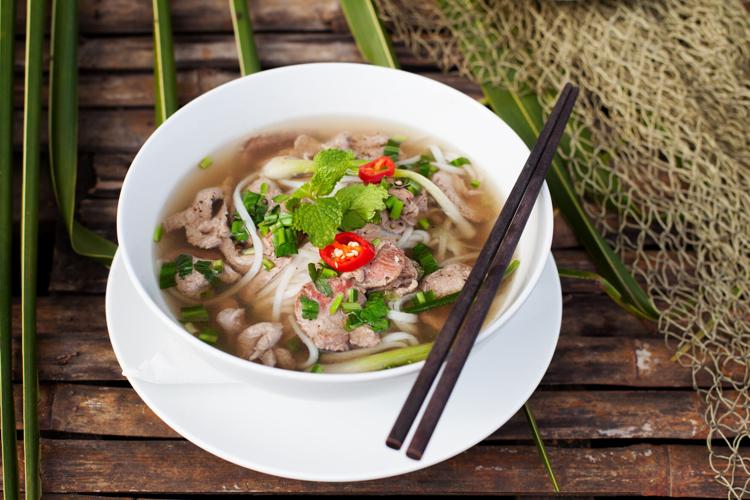
This Vietnamese soup's pronunciation is more complex than it looks, but for simplicity, let's go with the North Vietnamese way, which is pronounced fuh. There's a lilt to saying it, but even if you can't do the down and up sound, don't call it foe.
Prix fixe
Pree-feex is a perfect example of when to pronounce and when to drop letters in French. In the first word, x is silent; in the second, it's not because it's followed by an "e."

Worcestershire sauce
Worcestershire sauce
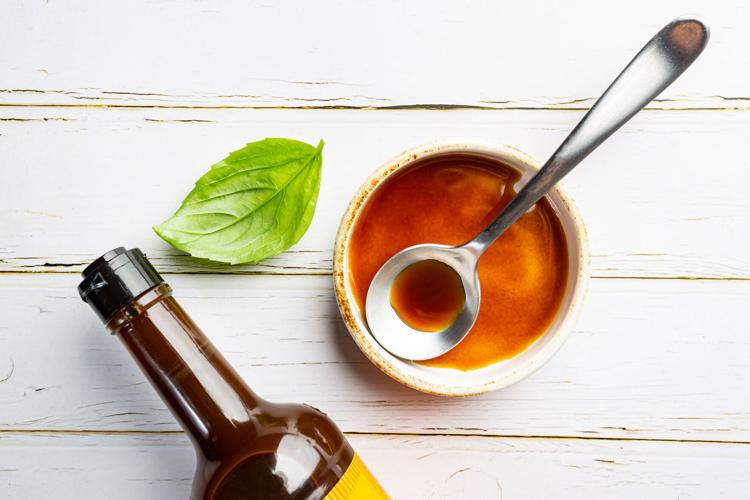
It's tempting to read this as wor-chester or worse-ster. Resist the temptation. Worcester is pronounced wooster. Therefore, the sauce is called WOOS-ter-shur or WOOS-ter-sure sauce.