

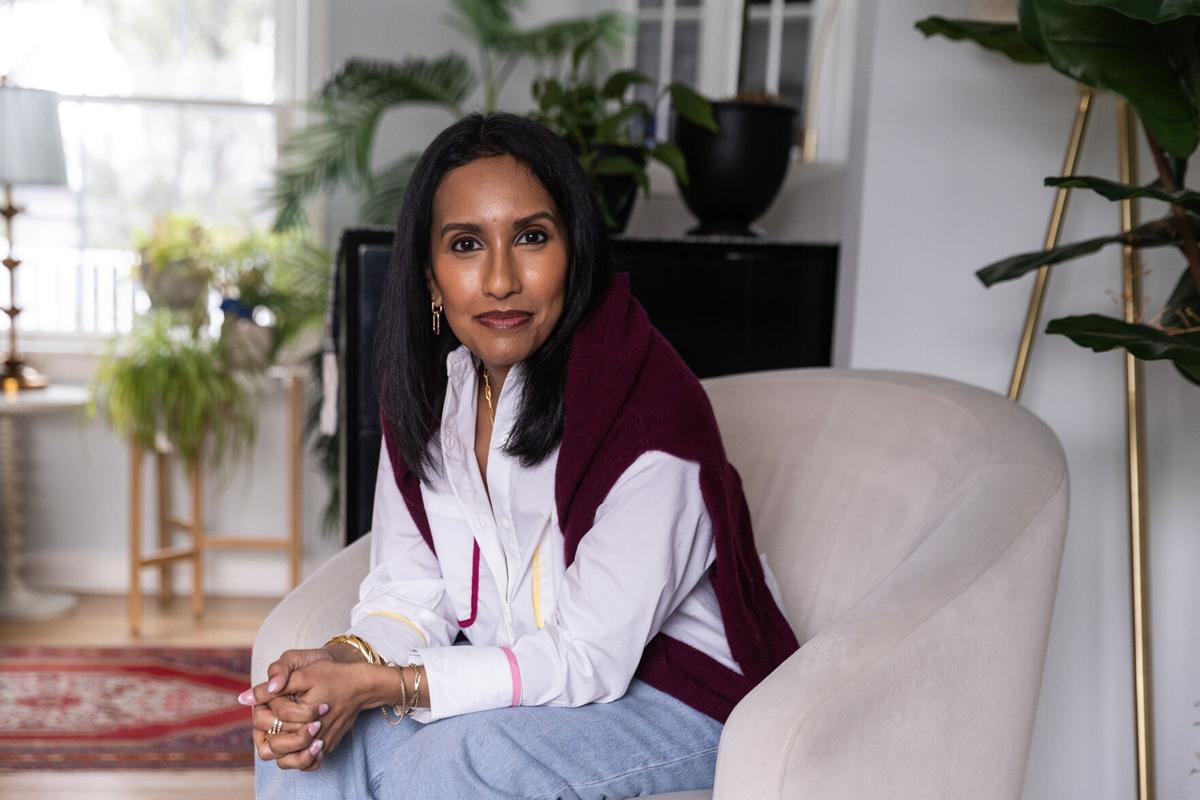
After a grueling year of chemotherapy, surgery and radiation to treat breast cancer, Sadia Zapp was anxious — not the manageable hum that had long been part of her life, but something deeper, more distracting.
So Zapp, a 40-year-old communications director in New York, became one of millions of Americans to start taking an anxiety medication in recent years. For her, it was the serotonin-boosting drug Lexapro.
“I love it. It’s been great,” she said. “It’s really helped me manage.”
The proportion of American adults who took anxiety medications jumped from 11.7% in 2019 to 14.3% in 2024, with most of the increase occurring during the COVID pandemic, according to survey data from the Centers for Disease Control and Prevention. That’s 8 million more people, bringing the total to roughly 38 million, with sharp increases among young adults, people with a college degree and adults who identify as LGBTQ+.
People are also reading…
Even as psychiatric medications gain public acceptance and become easier to access through telehealth appointments, the rise of a class of antidepressants called selective serotonin reuptake inhibitors, known as SSRIs, has triggered a backlash from supporters of the “Make America Healthy Again” movement who argue they are harmful. Doctors and researchers say medications such as Prozac, Zoloft and Lexapro are front-line treatments for many anxiety disorders and are being misrepresented as addictive.
Health and Human Services Secretary Robert F. Kennedy Jr. decried broadening SSRI use. During his Jan. 29 confirmation hearing, he said he knows people who had a tougher time quitting SSRIs than people have quitting heroin.
Food and Drug Administration Commissioner Marty Makary has also suggested that SSRI use among pregnant women could lead to poor birth outcomes.
SSRIs’ common side effects include upset stomach, brain fog and fatigue.
For many people, however, the side effects are mild, and the benefits of treating chronic anxiety are worth it, said Patrick Kelly, president of the Southern California Psychiatric Society. “The statements about SSRIs were just not grounded in any sort of evidence or fact,” Kelly said of Kennedy’s comments.
A recent comprehensive study showed that over half of people with generalized anxiety disorder taking an SSRI saw their anxiety symptoms reduced by at least 50%.
“When it’s being done right and when you’re also using appropriate therapy techniques, SSRIs can be really, really helpful,” said Emily Wood, a psychiatrist who practices in Los Angeles.
MAHA blames anxiety on poor diet, lack of exercise
MAHA supporters partly blame poor dietary choices and the increase in sedentary lifestyles for the rising number of health problems, including anxiety, depression and other mental health disorders. As a remedy, they called for measures such as reducing consumption of ultraprocessed foods, which studies in recent years have connected to depression and anxiety, and cutting back on screen time in favor of exercise.
Psychiatrists often encourage a healthy diet and exercise as an adjunctive therapy for anxiety and depression. Wood said those who can manage anxiety without medication should also consider talk therapy.
But medication can help.
Studies show the risks of taking SSRIs during pregnancy are low for mother and child. By contrast, “depression increases your risk for every complication for a mother and a baby,” Wood said.
Some people who stop taking antidepressant medication will experience nausea, insomnia or other symptoms, especially if they quit suddenly. But “the concept of addiction simply does not apply to these chemicals,” Kelly said, a statement backed up by studies.
Addiction, though, is a possibility with benzodiazepines such as Xanax that are often a second line of treatment for anxiety. These controlled substances can also increase the risk of opioid overdose in patients taking both types of drugs. During congressional hearings last year, Kennedy also decried benzodiazepine overuse as a problem.
While benzodiazepines are effective for short-term use, they require monitoring and care, Wood said.
“Those are really great meds for acute anxiety and not great as long-term anxiety medications, because they are habit-forming over time,” Wood said.
Social shifts drive increased use of anxiety meds
A number of leading theories could explain why so many more people are taking anxiety medication, including increased social media use and more isolation, physicians and researchers say.
Plus, the medicines are relatively easy to get. Many people obtain SSRI and benzodiazepine prescriptions from their primary care physician or after a brief teletherapy appointment.
Many social media influencers talk about their mental health struggles, easing some stigma among young people and encouraging them to get help.
Young adults are largely driving an increase in anxiety medication use. The proportion of Americans ages 18 to 34 taking anxiety medication rose from 8.8% in 2019 — the first year such survey data became available — to 14.6% in 2024. By contrast, the rate didn’t change much among adults 65 and older, CDC data shows.

