Arizona lawmakers collected thousands in daily payments while the House sat idle for nearly a month amid a stalled budget fight.
The per diem payments are meant to cover daily expenses during the session on top of each lawmaker’s $24,000 annual salary. They continued during a 26-day stretch when the House was off the floor, and the Senate met once per week.
In total, the 60 lawmakers in the House of Representatives were paid more than $110,000 during the period. While the Senate continued to meet on a lighter schedule, the chamber's 30 lawmakers were paid just under $60,000.
Lawmakers living in Maricopa County receive $35 daily, while those living outside receive $269.
After 120 days of the session, that rate is lowered to $10 per day for Maricopa County residents and $135 per day for those living outside the county.
People are also reading…
Why wasn't the Arizona Legislature meeting regularly during the session?
Republicans in the House of Representatives on May 5 said stalled budget negotiations had left them with nothing to do. Earlier in the session, Gov. Katie Hobbs announced she would veto any bills she received until lawmakers produced a budget plan. Lawmakers responded by holding bills instead of sending them to the governor's desk.
That moratorium was lifted in mid-May.
Some extended pauses have happened in years past, including in 2023 when lawmakers took more than a month off between multiple breaks. At the time, House of Representatives leadership advised their colleagues that any lawmaker who opted out of taking their per diem pay would not be able to collect it again during the remainder of their term.
The vote to adjourn this year's session until June 1 passed in the House along party lines. Returning lawmakers are now staring down a June 30 deadline to pass a budget to avoid a government shutdown.
Kim Quintero, a spokesperson for the Senate Republicans, said there were no senators currently opting out of their payment.
"Just because the Governor implemented a bill moratorium blocking their legislation, doesn’t mean they just stopped coming to the Capitol to work," Quintero said. "The bill moratorium was out of their control. They shouldn’t feel the need to stop collecting a paycheck due to her poor governance and bad decisions."
While the House did not meet on the floor during its extended break, the Senate continued to meet on Mondays and vote on the pile of bills remaining. Several lawmakers also continued to meet at the Capitol during May to discuss the budget behind the scenes.
Many Democratic lawmakers protested the break.
“Rationalize it however you want,” Rep. Kevin Volk said. “Our constituents will see it as a recess, as a break, and they’re not wrong.”
Volk said lawmakers hadn’t done enough to address the rising cost of living for Arizonans. He added that the session so far included “wasted time and too much partisanship.”
But House Speaker Steve Montenegro said his colleagues had already placed several budget plans on Hobbs' desk, and she was the one stalling negotiations.
“This body has been about action," Montenegro said of the House. "She has been about missing in action."
Fraught budget negotiations have been a consistent hallmark over the last several years, with a politically divided governor and Legislature.
Effort to add regulations to lawmaker pay flounders
Arizona’s lawmakers are each paid $24,000 each year in their regular salary, regardless of how long the session lasts. There have been several failed attempts to increase that amount, with lawmakers arguing that improving the pay would allow more people to run for and hold office.
A handful of ideas have been proposed to incentivize lawmakers to work more quickly during the legislative session, particularly on the state's multibillion-dollar budget.
One ballot measure proposed by Republican Rep. Michael Way would require lawmakers to pass the state’s annual budget by April 30 or otherwise forgo both their salary and per diem payments. Currently, lawmakers work under a June 30 deadline, which is the end of the fiscal year.
Rep. Nick Kupper was among the measure's proponents, saying if Arizonans approved, it would hold lawmakers accountable to the public.
“Instead, what we do because we wait so long, is we fleece the people of Arizona and we keep taking their money even though we are failing to do the job that they put us here to do," Kupper said.
While the measure passed the House in March, it stalled in the Senate and is unlikely to land on voters’ ballots this fall. Another resolution proposed by Rep. Justin Wilmeth would limit Arizona's legislative session to the end of April.
Meanwhile, an effort to increase lawmaker pay has pressed on within both parties. Advocates say the current pay, which falls below the minimum wage in Arizona for an annual salary, restricts the state’s representation to people who have access to extensive savings or flexible employment.
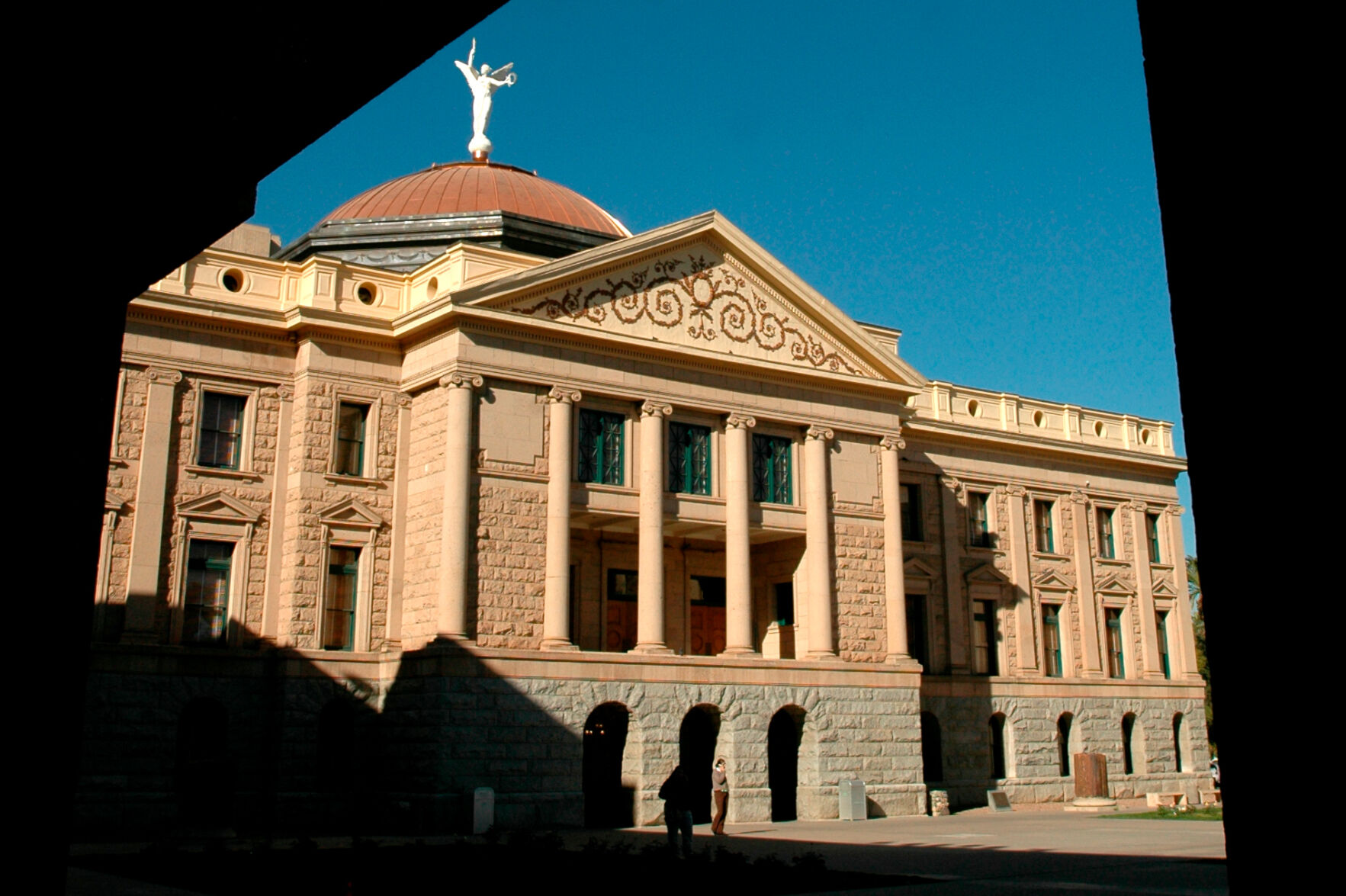
Arizona Capitol