The most extensive U.S. housing bill to tackle affordability in decades could mean fewer investor homebuyers, streamlined zoning and financing, more housing counseling and help for owners of manufactured homes.
The 21st Century ROAD to Housing Act, passed by Congress in late June, went into effect over the weekend without President Donald Trump’s signature.
Called the most ambitious housing legislation since the 1980s, the bill lays out more than 40 changes to help in building and buying homes by overhauling federal requirements. Some of those requirements have worked to slow housing construction in Arizona.

Arizona Gov. Katie Hobbs “strongly supports” the housing act, according to a statement from Christian Slater, her spokesperson. In a statement, he said it takes meaningful steps to cut red tape, lower housing costs and expand homeownership.
Building housing with help from federal funds could get “bogged down” because of the many approvals required, said Ruby Dhillon-Williams, director of the Arizona Housing Department. The new law creates more of a “one-stop shop” that will help developers build much-needed housing faster, she said.
People are also reading…
“One of the most beneficial things for affordable housing is it will streamline the process (at the federal level),” Dhillon-Williams said.
Arizona's affordability crisis
Arizona’s housing shortage has led to an affordability crisis.
The median price of a house in metro Phoenix is $450,000, up almost 50% since June 2020, according to the Arizona Regional Multiple Listing Service. It's about $370,000 in Tucson.
Arizona is the 13th-priciest state in which to rent based on a typical two-bedroom cost of about $1,800 a month and the state’s minimum wage of $14.70 an hour, according to the National Low Income Housing Coalition.
“We have an underbuilding gap and housing shortage in Arizona,” said Tim Beaubien, senior director of government affairs for the Arizona Association of Realtors.
He said Realtors in Arizona and nationally backed the act to address those problems.
Trump said in a July 10 Truth Social post he wouldn’t sign the housing affordability bill because Congress hadn't passed the SAVE America Act, a stalled bill he backs that would require photo identification and proof of citizenship to vote in federal elections and create more stringent requirements for mail-in voting.
The 21st Century Road to Housing Act has sat on Trump's desk since June 29 after clearing both chambers with strong bipartisan support. The transfer of the legislation kicked off a 10-day deadline — by the end of July 10 — for Trump to either sign the bill, veto it or allow it to become law by doing neither.
Though he said he wouldn't sign the bill, Trump also did not say he would veto the bill, meaning it automatically would become law.
How the housing act will provide help for Arizonans
The new housing act helps affordability for manufactured homes by getting rid of old building requirements and increasing federal loan limits for buying them. Manufactured homes are one of Arizona’s most affordable housing types.
Additional resources will be provided for housing counseling for homebuyers through the act, something Dhillon-Williams said was key to getting people into homes they can afford.
Large investors, considered a problem for Arizona’s housing supply by some legislators and advocates, will be limited from making additional purchases. The act seeks to prohibit investors with at least 350 homes from buying more.
Early versions of the bill required landlords and developers to sell new single-family build-to-rent homes to individual buyers within seven years after constructing them. Metro Phoenix is one of the top five U.S. markets for build-to-rent homes.
But that requirement was removed, something Tina Tamboer, senior housing analyst with The Cromford Report, said improves the legislation because “who knows what’s going to happen in the housing market seven years out.”
Some Phoenix build-to-rent communities stalled earlier this year when the seven-year selling provision was introduced to the act.
The new law also loosens regulations for mortgages under $100,000 and increases the cap that restricts how much banks can invest for low- and middle-income housing projects.
Arizona Gov. Katie Hobbs “strongly supports” the housing act, according to a statement from Christian Slater, her spokesperson. In a statement, he said it takes meaningful steps to cut red tape, lower housing costs and expand homeownership.
What the housing act can’t do to help
In metro Phoenix and other parts of the United States, home sales have slowed because of higher mortgage rates, making buying less affordable. Congress can’t set interest rates, so pricier mortgages remain a problem for many buyers.
Also, local municipalities set most zoning and building requirements, and they don’t have to follow the new federal rules.
“If we can remove outdated processes at federal level, hopefully we will see municipalities being more receptive” to those changes as well, said Beaubien of the Realtors association.
More home and apartment development won’t immediately increase supply and moderate prices because of the time it takes to build, sell and rent them, housing analysts caution.
Tamboer is concerned about what the act’s many incentives for increasing building could do for the housing market.“We need to proceed with caution with new building requirements. We don’t want to overbuild.” she said. “We’ve done that before, and it’s not the right answer for Phoenix’s housing market.”
USA Today contributed to this article.

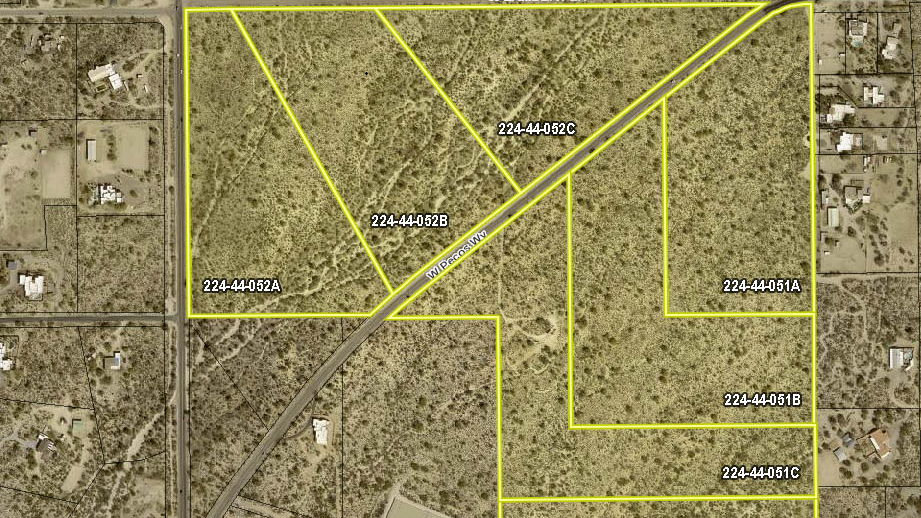
 101 homes to be built on NW Tucson corner