

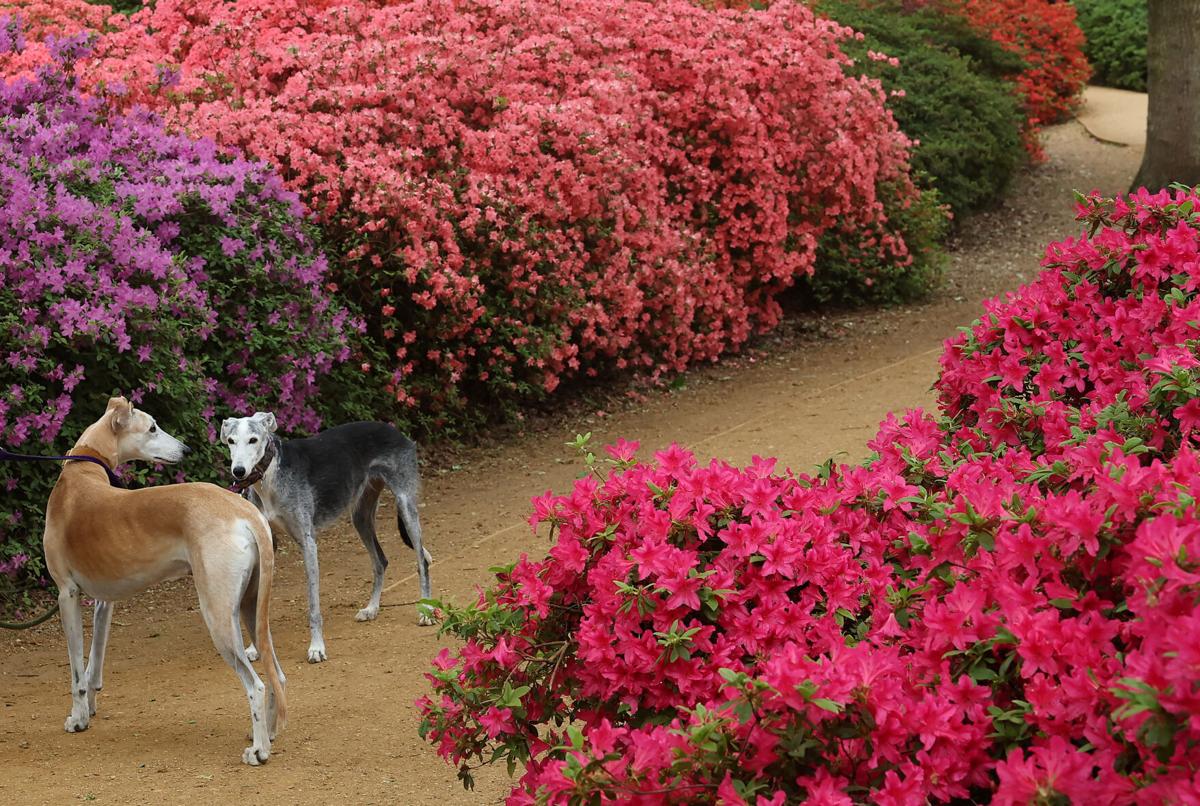
Gardening is a lovely pastime as the weather warms up, but take special care if you have pets around. In 2025 alone, ASPCA Poison Control staff assisted with over 12,900 plant exposures in dogs.
“Dogs are naturally curious and often explore their surroundings with their mouths, putting them at risk if toxic plants are present,” says Dr. Cristine Hayes, vice president of toxicology strategy at ASPCA Poison Control.
“High-risk, potentially life-threatening plants include sago palm, oleander, azalea or rhododendron, foxglove, castor bean and wisteria (especially seeds or pods), while more common exposures like ivy, aloe and spring bulbs (tulips and daffodils) typically cause mouth and gastrointestinal irritation − though bulb ingestion can be more serious,” says Susanne Heartsill, DVM, DABVP (Canine and Feline Practice), U.S. Director at Ceva Animal Health.
People are also reading…
Reference our quick guide on eight common garden plants that you should avoid planting or keep your pup away from.
Azaleas
According to ASPCA Poison Control, azaleas were the number one toxic plant exposure for dogs in 2025. Different species range from moderately to extremely toxic and typically affect the heart and its ability to function, making them highly dangerous.
Sago palms
All parts of sago palms are highly toxic to dogs. However, the seeds of this tropical palm are the deadliest part of the plant as they cause severe liver damage.
Pro Tip: “Dogs may be more likely to sniff or chew newly planted or fertilized plants, even if they've ignored them before,” shares Dr. Hayes.
Foxgloves
This beautiful flower has trumpet-like blossoms that contain cardiac glycoside toxins, which interfere with the heart’s electrolyte balance. While beautiful, it’s incredibly toxic to dogs, cats and even humans.
Bluebells
These bulbous spring flowers are common in gardens and the woods, but are dangerous to dogs. Bluebell poisoning impacts a dog’s heart and causes symptoms like stomach pain, diarrhea, drooling, trembling, lowered heart rate, vomiting and lethargy.
Crocuses
Crocuses can trigger a variety of gastrointestinal problems in dogs, including vomiting, diarrhea and drooling.
Autumn crocus, a flowering bulb in the lily family, is especially dangerous as it contains colchicine. This toxic alkaloid causes severe GI problems, along with respiratory failure, central nervous system symptoms, liver and kidney damage and even death.
Take extra care if you have either crocus or autumn crocus in your garden or where you walk your dog.
Yew
Yew is the common name for a variety of evergreen trees. Many varieties of yew, including English yew and Pacific yew, cause dangerous symptoms in dogs, such as difficulty breathing, seizures, tremors and even sudden death from heart failure.
Hydrangea
These gorgeous flower clusters come in shades of white, blue, pink and purple and bloom throughout several seasons. Unfortunately, these blooms are among the top five most common toxic plants dogs were exposed to in 2025, according to the ASPCA Poison Control.
Dogs that ingest hydrangea may experience vomiting, diarrhea, lethargy and other complications, so pet parents should steer clear.
Oleander
Oleander, also known as rose-bay, is a beautiful pink flower that is incredibly toxic to dogs. It’s known to cause drooling, diarrhea, colic, abdominal pain, depression and even death if your dog isn’t promptly treated.
What to do if your dog ingests a toxic plant
“If your dog develops vomiting, diarrhea, drooling, weakness or collapse, seek veterinary care immediately. If you suspect toxin exposure, contact the Pet Poison Helpline (855-764-7661) or ASPCA Animal Poison Control (888-426-4435) right away,” shares Dr. Heartsill.
The earlier the medical intervention starts, the better. Also, take the plant or flower to the vet for identification, if possible.
To avoid your dog nibbling on dangerous plants altogether, take the following steps. “We recommend checking your yard for toxic plants, supervising dogs outdoors and using a leash in unfamiliar areas. Consult the ASPCA’s list of toxic plants or your veterinarian to help ensure your dog’s safety in any outdoor environment,” explains Dr. Hayes.


