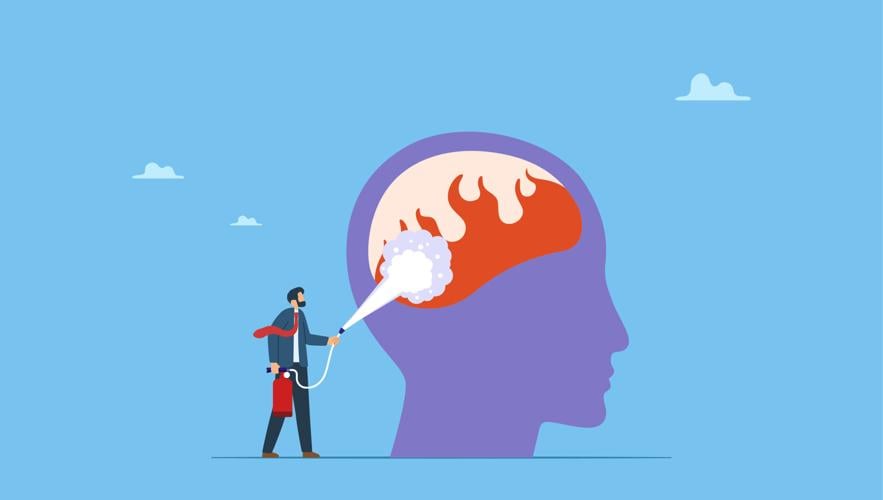
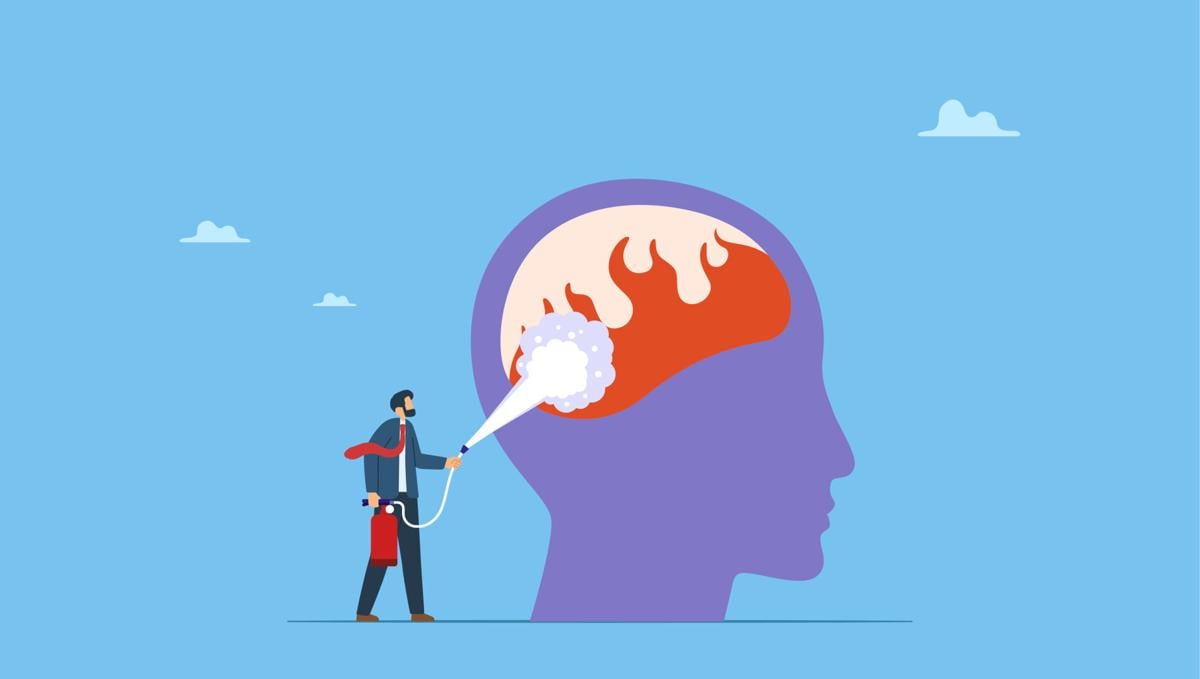
Not reacting with anger can make even the worst situations more tolerable —and fixable. When our responses are caring and appropriate, whatever is bothering us will go away more quickly.

Dr. Barton Goldsmith
The problem is that when we get triggered, sometimes it goes straight to that wounded part of ourselves, making us want to lash out and maybe even hurt back, which is very destructive to any relationship.
People don’t like being around others who are constantly angry. It’s just no fun. Chronic anger can be a symptom of depression, and unfortunately pushes away the thing you need the most to overcome depression — other people. It’s much easier to cheer up someone who is sad than someone who is angry.
Funny thing is that most of the time, we’re not angry for the reasons we think we are. We’re angry because we were hurt in some way, and the anger is a defensive reaction to that unresolved pain. Of course, we never stop to think about that when someone cuts us off on the freeway or gives us a hard time, but if we did, dealing with the real issues would help defuse the anger. And the answer can be as simple as receiving an apology or an acknowledgment. But how do we find those real issues?
People are also reading…
Self-introspection is not all that easy when you are pumped full of adrenaline. However, you can either look at it now or end up dealing with it later, so you might as well get on with it.
If you are holding on to some long-term anger, there are a number of ways to begin to release it appropriately. Writing, crying or talking to someone who will really listen can be good to do, and getting exercise can be very helpful, too. Many books, DVDs and info online focus on dealing with anger. Whatever method you choose, the idea is to get the anger (and pain) out of your head, so you won’t get so easily triggered. You can accomplish that task, provided you do the necessary work.

Some people feel entitled to their anger. They use it to control others, and get away with stuff by being the bully. I don’t know about you, but I’d rather end a dispute than fight, so I usually take the high road by not letting the other person affect me. That being said, no one has the right to abuse or bully you, and if you feel that’s happening, you need to leave the room or maybe bring in another person for backup.
When people vent years of pent-up unresolved anger, it is likely to result in arguments or, at worst, emotional and physical violence. Many of the shootings we hear about almost daily seem to come from people who are so hurt that they are angry at the world, and lash out and hurt others. Some are even inspired by those who have done similar unspeakable acts.
The messages in their brains are not healthy, but this is often hard to see if you aren’t looking for it. If you or someone you know has an issue with unresolved anger, please talk with a trained professional and those who love you, so you or the person you know can get the support you need to move through and past your pain.
Millions have been successful in healing their own inner demons, but you have to be willing to face them, and it will help to have someone in your corner who understands you.
Dr. Barton Goldsmith is a psychotherapist. He is available for in-person and video consults. Reach him at Barton@BartonGoldsmith.com