Something always seems to slither, hiss, buzz, or skitter across the Arizona desert.
One minute it’s the soft rattle of a snake hidden beneath a cactus; the next it’s the dramatic jump scare of a beetle that looks far more dangerous than it really is.
Arizona is packed with creepy-crawly residents, but not all of them deserve their bad reputation.
Plenty of local critters are harmless, like tarantulas, which are more shy than aggressive, and Palo Verde beetles are basically giant flying acorns with legs.
Even geckos and harmless king snakes help keep pests under control.
But there are others you should absolutely give space to, not because they’re ugly or scary-looking, but because they’re venomous.
Venomous creatures inject toxins through bites, stings or fangs, while poisonous creatures are dangerous if you touch or eat them. In other words, if it bites you and you get sick, it’s venomous. If you bite it and you get sick, it’s poisonous.
People are also reading…
Here are five bugs and creatures with the most venomous bites and stings in Arizona.

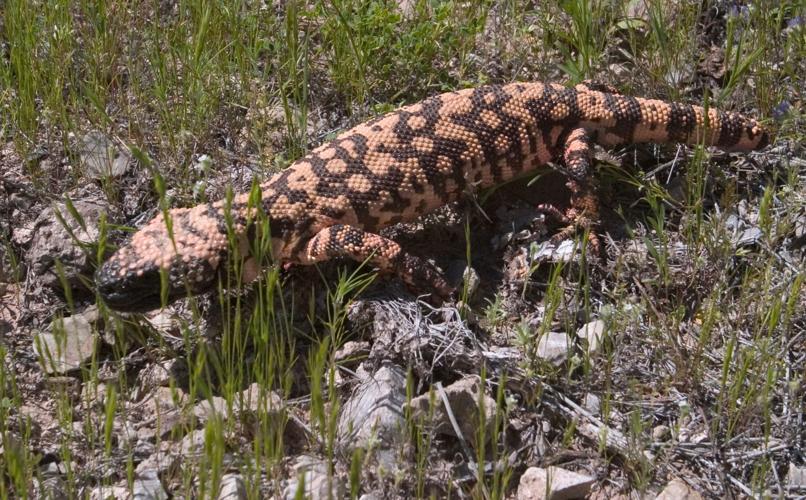
A Gila monster in the Spur Cross Ranch Conservation Area.
Gila monster
When a Gila monster bites, it chews venom into the wound, causing intense burning, swelling and a feeling of pressure. The venom is potent and not usually deadly, but it can lead to significant discomfort, dizziness, nausea and a drop in blood pressure. Seek medical attention to manage pain and monitor for complications.
While waiting for help, keep the bite area immobilized and elevated. Avoid using a tourniquet or trying to suck out the venom.

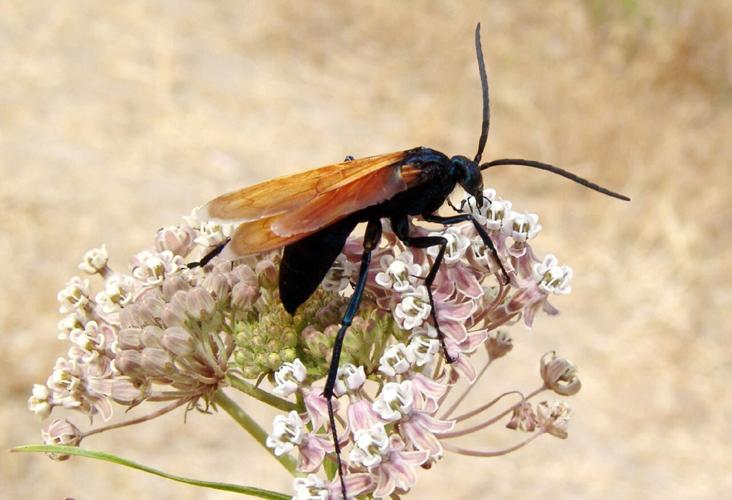
Tarantula Hawk
Tarantula hawk wasp
The tarantula hawk wasp's sting is often described as a searing electric shock that can incapacitate its victim temporarily. While the venom is highly toxic to insects and paralyzes them, it is not lethal to humans. The pain is often accompanied by redness and swelling.
Treatment generally focuses on pain relief; applying ice can help reduce swelling and discomfort, and anti-itch creams can alleviate symptoms. If you experience difficulty breathing, swelling beyond the sting site or other severe symptoms, seek medical attention.

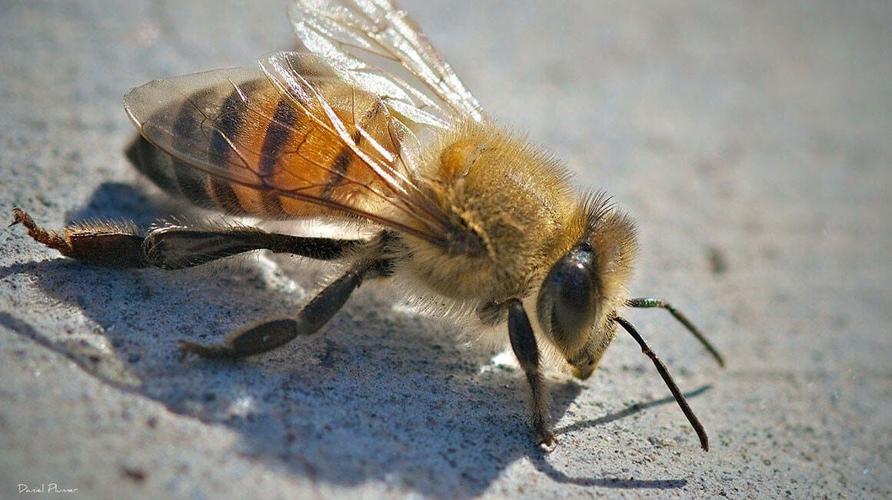
Africanized bee
Africanized honey bee
The sting of an Africanized honey bee, also known as a killer bee, is similar to that of a typical honey bee but more intense. And because of the bees' aggressive swarming behavior, you might be stung multiple times.
The venom causes a sharp, burning pain and redness, swelling and itching at the sting site. While the venom of one bee is not typically deadly to humans, multiple stings or an allergic reaction can be dangerous. Remove the stinger promptly, apply ice to reduce pain and swelling, and use anti-itch creams to relieve itching.
Symptoms such as difficulty breathing, rapid heartbeat and swelling of the face or throat indicate the need for medical care.

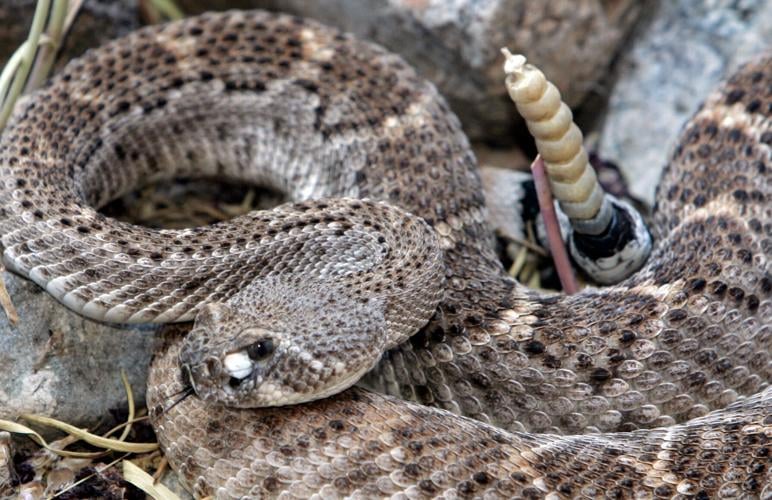
A Western diamondback rattlesnake at Arizona-Sonora Desert Museum.
Western diamondback rattlesnake
One of the most dangerous animals you can get bitten by in Arizona is the Western diamondback rattlesnake. Symptoms include intense throbbing, swelling and tissue damage. The venom is potent and can cause severe pain, necrosis (tissue death), nausea, dizziness and difficulty breathing.
A Western diamondback rattlesnake bite is a serious emergency requiring immediate attention. Antivenom and other treatments are necessary to prevent severe complications.
While waiting for help, keep the bite area immobilized and below heart level to slow the spread of venom. Avoid applying ice or using a tourniquet, as these can worsen the situation.

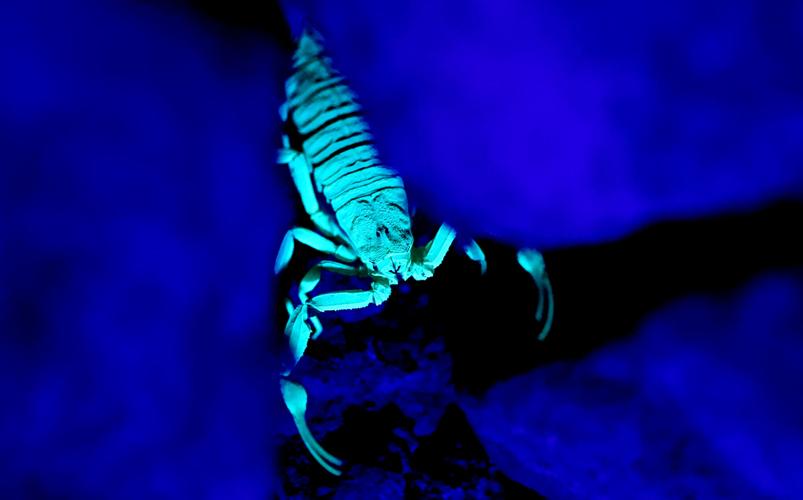
A bark scorpion glows in black light from it’s hiding spot in a stone wall at Arizona-Sonora Desert Museum.
Arizona bark scorpion
The Arizona bark scorpion delivers an intensely painful sting, often described as sharp and electric, causing numbness, tingling and muscle spasms. The venom, while rarely fatal, can cause severe symptoms such as difficulty breathing, particularly in children and older people. Immediate medical attention is recommended, especially if symptoms are severe.
While waiting for help, applying ice can help reduce pain and over-the-counter pain relievers may offer some relief. Stay calm and immobilize the affected area to slow the spread of venom.


 Rescue plan in works for tiny endangered turtle in path of second Arizona border wall