As a troubled teen growing up in Tucson, Casey Chimneystar Condit wanted to kill herself, but didn't.
A major new research effort aims to figure out why.
The National Institute of Mental Health is spending $2.8 million - a large chunk of it locally - to try to stem the high suicide rate among gay, lesbian, bisexual and transgender youth, who are two to three times more likely to take their lives.
Tucson is one of three cities nationwide chosen for the research, being carried out in part through the University of Arizona.
The study - also taking place in San Francisco and New York City - will follow more than 1,000 youths ages 15 to 21 over a four-year period as they come to grips with their sexual identities.
Researchers hope to establish which factors make them most vulnerable - or resistant - to suicidal thoughts or behaviors. The results could guide future suicide prevention efforts.
People are also reading…
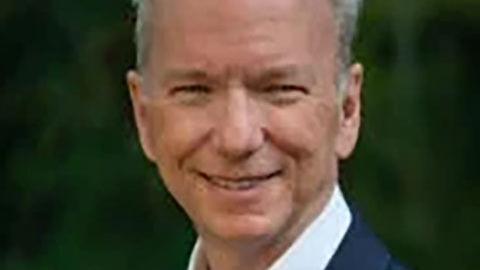
"This is a really unique opportunity to see if what we've learned anecdotally about protective factors can be backed up by science," said Condit, now 28 and a programs manager at Wingspan, Southern Arizona's gay, lesbian, bisexual and transgender community center.
Wingspan's youth program - once attended by Condit as she came to terms with being lesbian - serves about 300 local youths a year and will be a source of study participants. Researchers also are accepting candidates from elsewhere in Tucson.
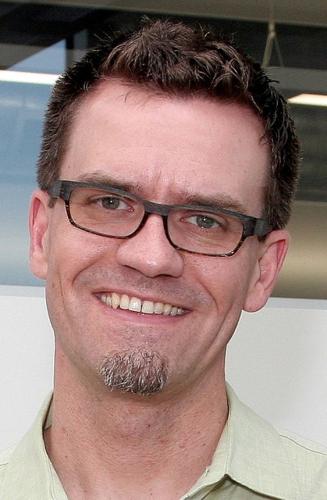
Factors such as lack of family support, religious intolerance and bullying at school can lead to feelings of hopelessness and depression in such teens, said Stephen Russell, a UA professor of family studies and human development who is involved with the research.
"The big question is, what do we do about it," Russell said. "What we lack are pragmatic interventions."
As society inches toward greater acceptance - witness the recent repeal of the U.S. military's ban on openly gay service - Russell said there's also some evidence of a backlash against such social change.
He and Condit share a deep personal interest in the issues raised by such research.
Russell, 45, came out as a gay man as a graduate student and said he's lost two gay friends to suicide and self-destructive behavior.
Condit said she's known more than 20 young people who succumbed to suicide, many before local high schools started taking steps to become more gay-friendly.
The new research, she said, "could help save a lot of lives."
Contact reporter Carol Ann Alaimo at calaimo@azstarnet.com or at 573-4138.
To join study
The University of Arizona is seeking gay, lesbian, bisexual or transgender youths ages 15 to 21 for a suicide-prevention study. For details, email LGBTQyouthtucson@gmail.com or call 477-6447.