It’s been a year since Mayor Regina Romero wrote that the status quo of safety in Tucson is “not sufficient.”
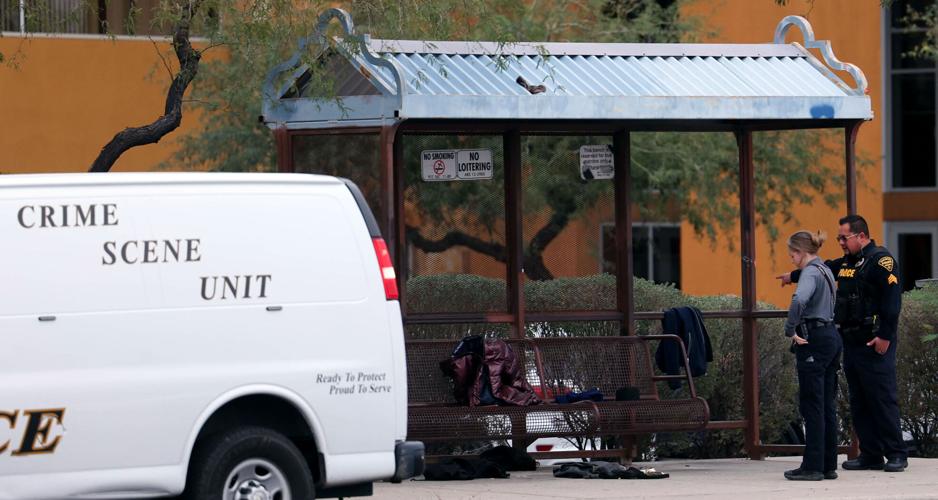
Her Open Letter to Tucsonans in the fall of 2025 came after several violent incidents on the city’s transit system put a spotlight on the city’s response to quality-of-life issues. The fatal stabbing of Enrique Mercado on the Loop bike bath in Sept. 2025 was the “tipping point,” city officials have said.
In the year since, Tucson launched the Safe City Initiative, which has increased street outreach and created targeted law enforcement responses, according to Romero’s latest open letter to the city.
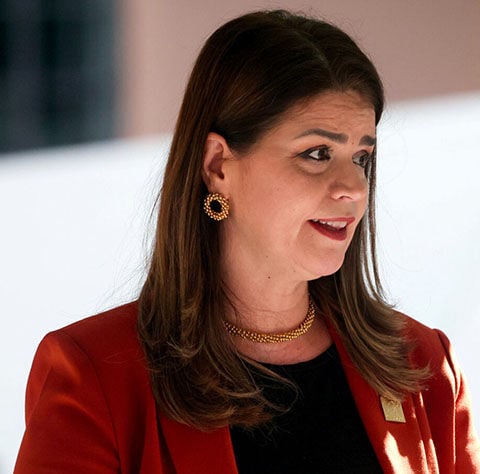
Romero
More people are accepting social services and appearing in court, Romero wrote, but the process has required adaptation.
People are also reading…
“When our first Safe City Deployments weren’t connecting enough people to resources, we kept what was working and tried new things”
The 22 Safe City Deployments reached 346 people with an overall service acceptance rate of 58%, meaning the people accepted a service or completed an intake to housing or treatment. That’s up from 10% at the beginning of the program, Romero wrote.

In the year since, Tucson launched its Safe City Initiative, Mayor Regina Romero says there has been an increase in street outreach and targeted law enforcement responses.
Special duty police deployments along high traffic corridors and bus stops also resulted in about 300 arrests and about 2,000 warnings as of mid-August, City Manager Tim Thomure wrote in a separate briefing to the council.
A separate street outreach team helped 97 people move into permanent housing out of 267 individuals contacted. Introducing video to Community Court proceedings increased appearances from 7% to 85%.
Clean bus stops are also part of the city’s strategy to improve public perception of safety in the transit system. The city held 304 cleanups in the last year and removed 11,000 bags of trash, the letter reads.
With $375,000 from the Regional Transportation Authority, the city is also in the process of expanding a pilot program for transit ambassadors. Six full-time employees will act as semi-social workers on buses and bus stops, offering service referrals and other outreach.
City Manager Liz Morales said six ambassadors were undergoing training in mid-September.
Hannah Cree covers local government for the Star. Reach her at hcree@tucson.com.

Hannah Cree
Government Reporter