PHOENIX — A watered-down measure designed to protect homes in historic neighborhoods from being torn down and replaced with multifamily housing was shot down by the Arizona House on Monday.
But its sponsor is still hoping to resurrect it before the legislative session comes to a close at the end of the month.
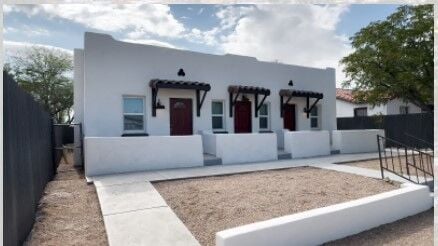
The 25-30 vote on Rep. Matt Gress' compromise measure came amid heavy lobbying from housing advocates and developers who support a 2024 "middle housing'' law that requires cities and towns to allow duplexes, triplexes, fourplexes and townhomes to be built within a mile of city central business districts.
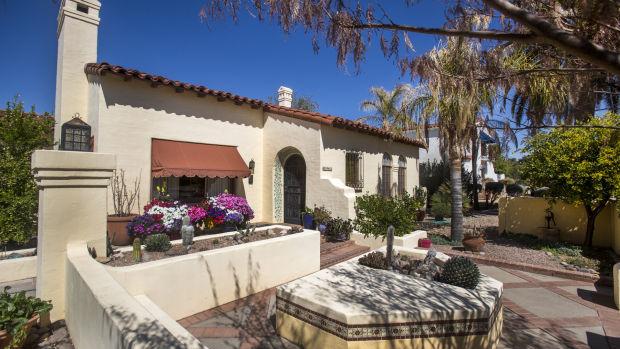
That law went into full effect early this year and drew concerns from residents of historic neighborhoods in Phoenix, Tucson and other cities. They worried their communities would be changed forever if developers bought up and demolished older homes.
People are also reading…
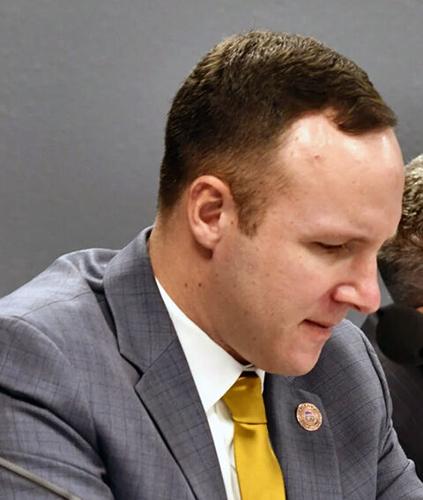
Gress, R-Phoenix, aimed to give those residents cover, initially by pushing a blanket exemption from the 2024 middle housing law for historic neighborhoods.
When that ran into delays that left it stalled in the Senate, Gress conceded to opponents — including the city of Tucson — and morphed the proposal into a bill that boosted protections from demolition for older structures.
Most directly, the compromise version of Senate Bill 1118 would bar development of "middle housing'' on a site where a building has been designated as historic unless demolition was necessary because of conditions that endangered public health, safety or welfare.
It also would have given cities certain oversight of new multifamily homes in historic areas, requiring that they fit in with what's already in the neighborhood in building height, lot coverage, setback and roof form.
Gress said in an interview before Monday's vote that he believed it would protect historic buildings while earning support from cities and housing advocates.
"We do not want developers buying perfectly good historic houses, tearing them down to build multifamily housing,'' he said. "Under the current law, that is perfectly permissible, and cities and towns can't do anything to stop that."
He predicted the measure would pass, saying the changes he crafted to his initial bill had garnered bipartisan support.
"We wanted to go further, but in the sake of reaching a bipartisan agreement and hopefully a signature from the governor, I think this is the best we could do in working together,'' Gress said.
But when SB 1118 was put up for a vote, it quickly became clear there just wasn't enough support. The vote came shortly after one of the original 2024 law's advocates, former Sen. Steve Kaiser, was introduced to the chamber. He confirmed to Capitol Media Services he was lobbying against Gress' bill.
"It would completely unwind the middle housing bill,'' he said in a text message.
Democrats and Republicans voted against the measure, with some arguing that creating a carveout to the 2024 law was the wrong thing to do.
"I think that we can get to preservation and I think that we can produce a greater diversity of housing supply,'' said Rep. Sarah Liguori, D-Phoenix.
"I don't think this policy gets to that,'' she said. "What this bill does is it goes backwards; it reduces property rights; it reduces property values by diminishing the use back to single-family use.''
Rep. Teresa Martinez, R-Casa Grande, said that while she supported Gress' efforts to protect his constituents in downtown Phoenix neighborhoods, she was concerned about giving a carveout to just some homeowners.
"The rule for thee is not the rule for me, and I hate that kind of attitude,'' she said while voting against the measure.
Gress slammed Kaiser, who lobbies for the Arizona Housing Coalition, which advocates for affordable housing, and Spencer Kamps, the main lobbyist for the Home Builders Association of Central Arizona, for twisting enough arms to kill his bill.
"I want to thank them for coming in and blocking this bill, even though we watered it down so much that it's doing (just) one key thing related to protecting perfectly good historic homes," Gress said in his floor speech, addressing his comments to the two men who were watching from the House gallery.
"Make no mistake, this issue is not over,'' he said. "We will continue to advocate for communities and neighbors and historic preservation and this isn't the last word on it.''
Gress changed his vote on SB 1118 to "no,'' a long-shot procedural move that allows someone on the winning side of any vote — in this case, its defeat — to seek to have it brought back up for another vote.

Gress