The following is the opinion and analysis of the writer:

.

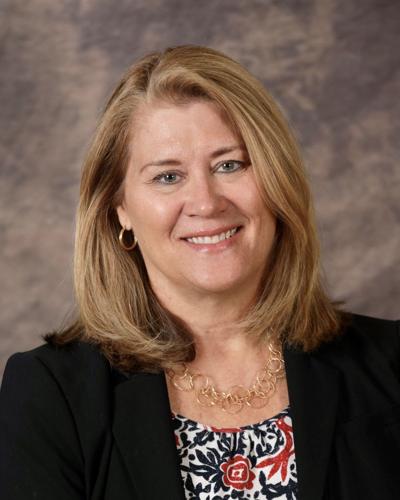
Shelley Watson
At a time when it’s difficult to find consensus, Arizonans are united on one issue: Education is the cornerstone for our state’s future.
In poll after poll over several years, supermajorities of our state’s residents across political parties and age groups support investments to increase the quality of our schools and ensure our workers have education and training after high school.
Arizonans understand what economists have repeatedly proven, and the business and community leaders of Southern Arizona Leadership Council know: A well-educated workforce drives a thriving economy. A recent study by the Helios Education Foundation and Education Forward Arizona suggests that if we increase postsecondary enrollment by just 20% Arizona stands to benefit from more than $5 billion in annual gains.
People are also reading…
Currently, just 48% of Arizonans have graduated from a postsecondary education or training program. Unless that number increases, Arizona’s economy will stall as companies choose states where the labor pool includes greater numbers of workers who have earned a degree, credential, or certificate.
While 52% of Pima County’s working-age adults have completed education or training after high school, that is still not enough to meet the needs of current and future employers.
Business, government, and education leaders across Pima County are concerned about meeting the statewide Achieve60AZ goal of having at least 60% of adults ages 25-64 completing education beyond high school by 2030. This is not just a goal but a necessity for the future prosperity of our state.
A recent poll by Education Forward Arizona found that 90% of Arizonans believe that our state must foster postsecondary opportunities that give students a chance to learn the skills to succeed in a career — that includes two-year and four-year degrees, and industry-recognized credentials and certificates available at community colleges and technical schools.
More than three-quarters of Arizonans agree on the following commonsense solutions to ensure students pursue education or training after graduating high school:
Expanding middle school services to help students and families identify interests, strengths, and aptitudes that will inform their education choices;
Ensuring every high school in Arizona has college and career advisors and counselors to help students plan their path after high school;
Expanding dual-enrollment programs that allow high school students to earn college credit while still in high school;
Expanding access to technical training and education programs during high school that lead to a credential; and
Providing financial support for students for expenses such as housing, technology, transportation, and food.
And in Pima County, we need a comprehensive approach to expand early learning opportunities, improve instruction in reading and mathematics, and help students start planning their career journey as early as elementary school.
Earlier this year, our board of supervisors approved funding for 1,600 scholarships for low-income children to attend high-quality preschool programs. That is a forward-looking investment that will pay future dividends.
Educators and learners of all ages across the county are working hard to respond to Arizonans’ call for a better-educated workforce. At Pima Community College alone, more than 4,000 students are on track to graduate with a two-year degree or certificate during the 2023-24 academic year.
They include students like Roxanna Lujano, a first-generation American and the first member of her family to attend college, who is working toward an associate degree in chemical engineering and is on a fast track to earning a master’s degree in engineering; Mada Minerva Torres, a Honduran immigrant who has learned English and is studying to be a translator; and Brandon Warne, who has completed an aviation degree/certificate to be an airplane mechanic.
They and thousands of other students are building a stronger and better economically positioned Arizona. We should do everything we can to support them.
Follow these steps to easily submit a letter to the editor or guest opinion to the Arizona Daily Star.
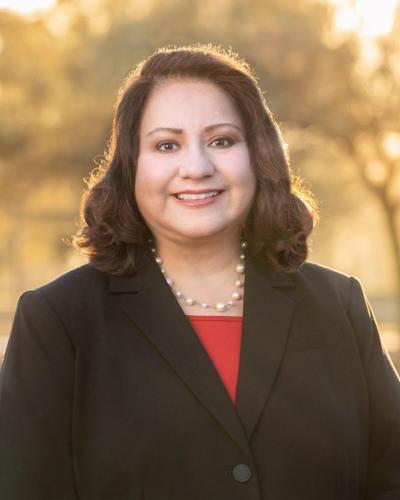
Dolores Durán-Cerda, Ph.D. is the interim chancellor at Pima Community College.
Shelley Watson is the chief operating officer of the Southern Arizona Leadership Council and a member of Education Forward Arizona’s Board of Directors.