The following is the opinion and analysis of the writer:

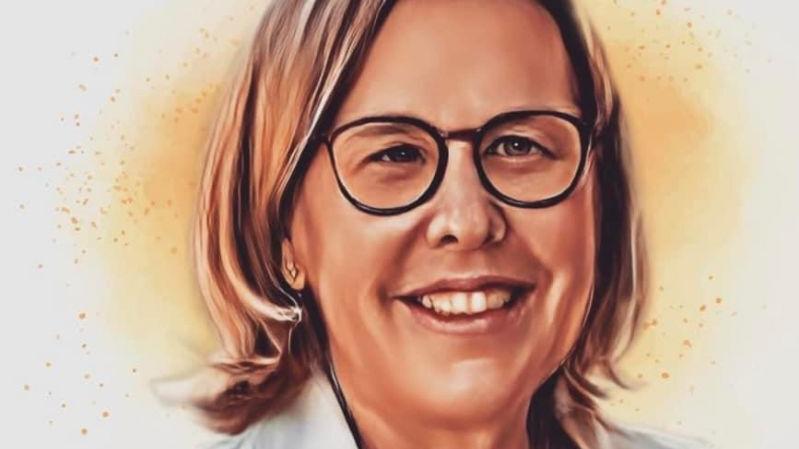
Gail Emrick
As a global health and development professional, I have spent my lifetime working in and thinking about the intersection of health, economics and migration. (For more details see my Migration Story video on www.seahec.org). As the political campaigning and electoral cycle is in full swing, and the same old immigration arguments and misinformation abound, I ask you to consider migration as a potential solution to some of the greatest problems we face in the U.S.
Specifically, I propose that with our aging demographics, the impending end of Social Security and workforce shortages in the field of eldercare, limited lawful migration can help address and solve these problems while also offering a limited solution to address the number of migrants desiring to cross the US Mexico border through the legal asylum process.
People are also reading…
Home-health and Eldercare workforce shortages — The U.S. anticipates a shortage of almost 9 million workers in the field of home health and eldercare. The American Healthcare Association, National Center for Assisted Living released a survey in March 2024 of more than 400 facilities around the country, with 99% of respondents saying they faced dire shortages in employment. The AHCA President and CEO stated “….this represents nothing less than crisis in our sector…calling for collaborative solutions to protect our senior populations.”
With the US population aging and the number of young people choosing to have children declines, it would serve our nation well to allow legally processed asylum seekers to be trained, certified and hired to serve in this industry.
While Chambers of Commerce and eldercare experts lament the shortage of workers in this field, we are literally prohibiting available able-bodied persons from applying for and being employed in this industry. The U.S. should expand workforce visas, similar to the agricultural industry’s H2A visas, to include home health aides and other related fields. This would address this workforce shortage while providing for legally earned income for asylum-seeking families.
U.S. aging population and ability to sustain Social Security: In 2022, approximately 17% of the US population was 65 or older. By 2040, it is estimated that that percentage will increase to at least 22% of our entire population. This has dire implications — in workforce as noted above, but also in our safety net. Some estimate that our Social Security fund will end by 2035 if nothing is done to address either the tax base or the demographic “crisis.”
Considering the US’ aging population and its reliance on dwindling sources of taxable income to provide for our Social Security benefits, I would suggest the following:
Make it easier for persons in their economically productive years to legally enter our country and work. Assist them in applying for the above-mentioned jobs. With these jobs in hand, they would contribute to the Social Security system and strengthen our safety net.
It is well known and documented that persons who come to the U.S. (legally or not) get Social Security numbers and pay taxes, contributing to our economy through our system. It is well established that undocumented workers contribute to the solvency of major social insurance programs through their tax contributions. They pay taxes that fund Social Security, Medicare, and unemployment insurance, among other programs, despite their exclusion from most of those benefits.
Why don’t we do this “above board”, stop immigrant bashing, and allow these persons, who are “lining up at the border” to come in and contribute to our economy? This would address both our aging demographics and be part of a solution to our dwindling Social Security and general economic safety net system.
Instead of listening to or spouting the same old misinformation, let’s allow immigrants to help us solve some of our greatest economic and social challenges of our time. It would benefit us all!
Follow these steps to easily submit a letter to the editor or guest opinion to the Arizona Daily Star.
Gail Emrick is a global health & development specialist with over 3 decades of professional experience living and working in Latin America and the U.S.-Mexico border region. She has a joint masters in public health and international affairs from Columbia University and directs a nonprofit on the U.S.-Mexico border.